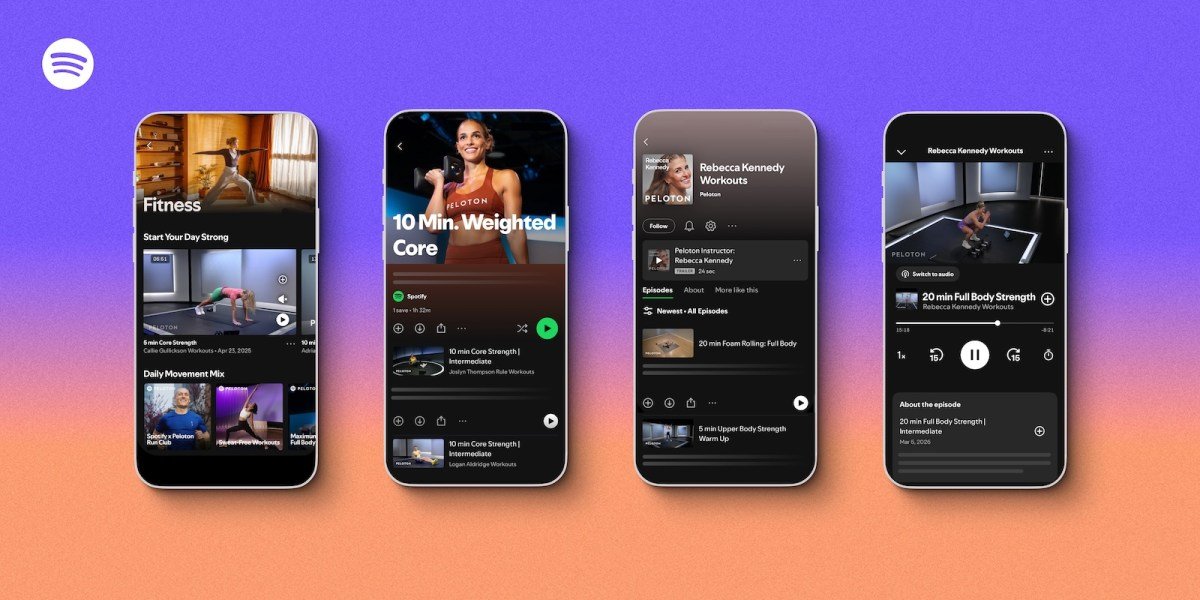
Spotify officially entered the fitness industry this Monday, evolving from a platform for workout playlists into a comprehensive hub for exercise content. Following its expansion into podcasts, audiobooks, video, and even physical books, the company announced a strategic push to host guided workouts directly within its app.
A New Fitness Ecosystem
To establish its footprint in the wellness space, Spotify has partnered with prominent fitness creators and exercise equipment leader Peloton. Users can access this new library via a dedicated “Fitness” hub or by searching for the term “fitness” within the application. The content, which includes both audio and video formats, is now available across mobile, desktop, and TV platforms.
Content Diversity and Peloton Integration
At launch, both free and Premium users can access dozens of playlists and instructional sessions from creators such as Yoga with Kassandra, Caitlin K’eli Yoga, Sweaty Studio, Chloe Ting, Pilates Body by Raven, Abi Mills Wellness, and Sophiereidfit, among others.
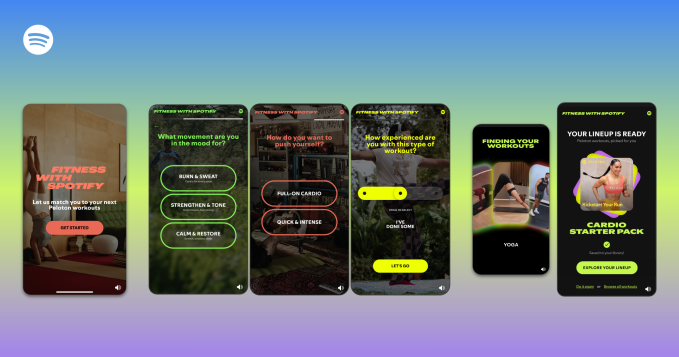
Furthermore, the partnership with Peloton grants Spotify Premium users in select markets access to over 1,400 ad-free, on-demand workout classes. This catalog covers strength training, cardio, yoga, meditation, and running—all accessible without requiring Peloton’s specialized hardware.
Language Support and Monetization
Workouts are currently available in English, with select options in Spanish and German. For added convenience, users can download these sessions for offline access. Participating creators are eligible to leverage Spotify’s existing monetization tools, including the Spotify Partner Program. While terms regarding the Peloton deal remain undisclosed, Spotify is exploring future monetization models, though it has not confirmed if these will involve paid subscriptions or individual class fees.
Driven by User Data
The move into fitness is backed by significant internal data: nearly 70% of Spotify Premium subscribers work out monthly, and the platform hosts over 150 million fitness-related playlists. Demand for such content spiked following the introduction of the AI-powered “Prompted Playlist” feature.
While some users may express concerns regarding app clutter due to the addition of non-music formats, Spotify is attempting to mitigate this by providing more user control, such as the recently introduced option to disable video content throughout the app.
About the Author