




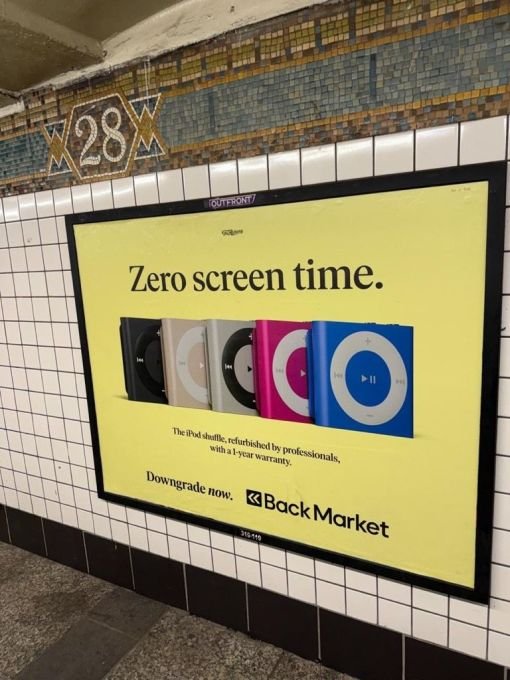
Tony Fadell, the visionary behind the iPod, recently found himself staring at a subway advertisement in New York City for a device he helped create two decades ago: the iPod Shuffle. The poster, which highlights the promise of “zero screen time,” served as a stark reminder of how far we have drifted from the simple, focused technology of the past. As commuters around him were glued to smartphones, constantly tethered to endless streams of data, the relic of the early 2000s highlighted a growing modern crisis: the exhaustion caused by our constant digital connectivity.
The advertisement, placed by the refurbished electronics marketplace Back Market, is not just a nostalgic stunt—it is a response to a genuine market shift. As we have moved from Steve Jobs’ promise of “one thousand songs in your pocket” to an era where algorithms dictate our every interaction, the desire for “slow tech” has emerged as a counter-cultural movement.
The Rise of “Slow Tech”
Joy Howard, CMO of Back Market, notes that consumers are increasingly fatigued by the pressure to optimize every second of their lives. “People are very oversaturated and overstimulated,” Howard explains. The movement toward slow tech is essentially about reintroducing “friction” into our daily digital habits—using devices that don’t try to capture our attention at every turn.
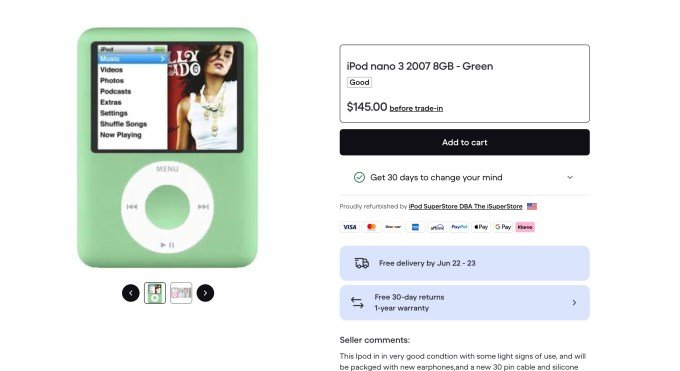
For younger generations, the appeal of retro gadgets like wired headphones, digital point-and-shoot cameras, and iPods lies in their lack of connectivity. These tools don’t spam users with gambling ads or push algorithmically curated content; they simply perform a single function well. Howard describes this shift as viewing “friction” as a feature rather than a flaw.
Design Problems, Not Willpower Issues
Austin Murray, who helped pioneer the mobile gaming industry with JAMDAT, is now working on MOQA, an app designed to reduce screen time. Murray argues that the average daily usage of five hours is not a failure of individual willpower, but a consequence of aggressive product design.
With roughly 53% of American adults expressing a desire to cut back on screen time, many are turning to apps like Opal and Freedom to block distractions. Author Calvin Kasulke admits that while he relies on his phone for professional utility, he uses these tools to curb the “dumb” habit of doomscrolling.
The “Dumb Phone” Alternative
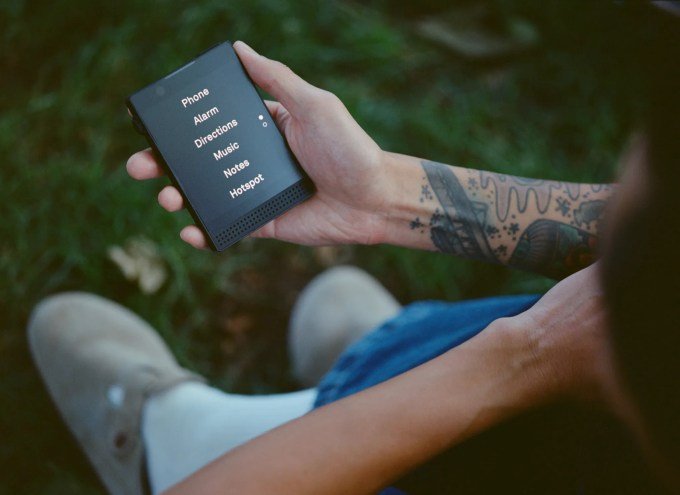
For those looking for a more radical departure, “dumb phones” and e-ink devices are gaining traction. The Light Phone has seen surprising success among 20- to 35-year-olds, according to co-founder Kaiwei Tang. Users report feeling a sense of liberation after ditching the constant pings of a modern smartphone.
However, fully disconnecting is difficult in a world where banking, travel, and commerce assume smartphone ownership. Fadell, who famously said, “We need less screens, not more,” remains skeptical of the “more is better” approach taken by companies like Apple with the Apple Watch. He advocates for technology that serves the user without dominating their presence.
The Future of Controlled Tech
The market is responding with niche hardware. While fitness trackers like the Oura ring see massive growth—up 88% year-over-year—they still rely on smartphone integration. Meanwhile, products like “Mark,” an AI-powered bookmark, attempt to bridge the gap by allowing users to take notes without pulling out their phones and falling into the social media rabbit hole.

We raised $1M dollars to reinvent how people read. Introducing Mark II – a $159 AI bookmark. Thread below pic.twitter.com/eL0XsyRlgC
— Mark™ (@thinkwithmark) May 14, 2026
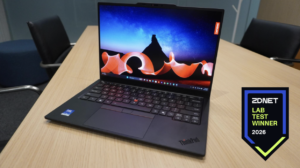
Ultimately, the slow tech movement is a pushback against digital fatigue. Whether through AI tools that act as filters or by simply refusing to upgrade to the latest, most invasive hardware—like using refurbished laptops—consumers are demanding more control over their attention. As Howard puts it, people are searching for anything that helps them reclaim their time and their lives.



Leave a Reply