



The digital entertainment landscape is undergoing a radical shift as major platforms transform into all-encompassing “universal apps.” Driven by market maturity and the integration of artificial intelligence, giants like Netflix, Spotify, YouTube, and TikTok are moving beyond their original niches to capture every available minute of user attention, effectively merging music, video, gaming, and commerce under single digital roofs.
Why platforms are converging
The entertainment market has reached a saturation point. With growth in new sign-ups slowing, companies are pivoting to maximize revenue-per-user and total time spent within their ecosystems. Since modern creators frequently produce content across multiple formats, consolidating these offerings into a single destination has become a strategic necessity.
AI serves as the primary catalyst for this transition. It enables companies to manage diverse content formats efficiently while surfacing relevant material to users, which directly bolsters both subscription retention and advertising revenue.
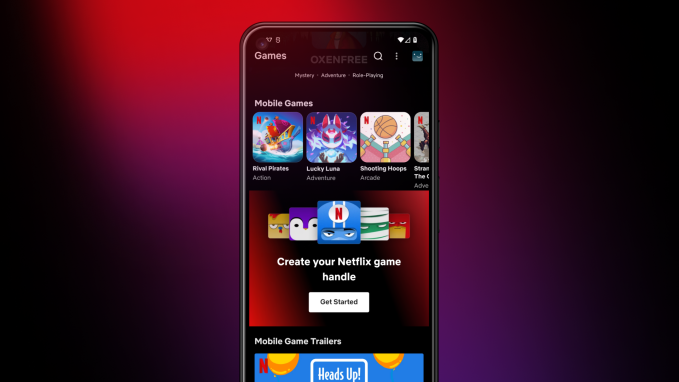
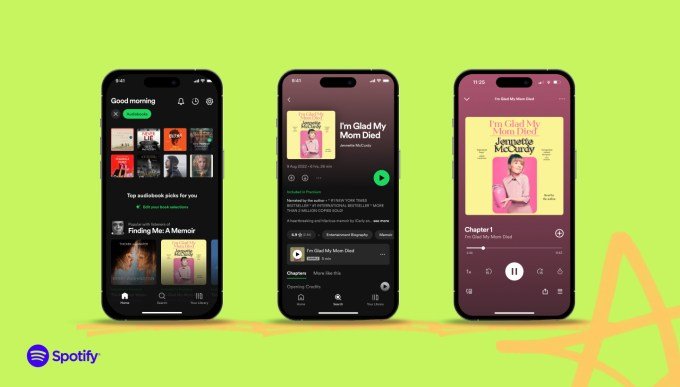
Netflix has aggressively expanded beyond film and television, incorporating gaming, live sports, and short-form video to compete for the “micro-moments” typically reserved for social media scrolling. Similarly, Spotify has evolved from a music streamer into a multimedia powerhouse offering podcasts, audiobooks, fitness classes, and even social features like commenting and messaging.
YouTube has followed a similar path, integrating short-form content to rival TikTok while expanding into shopping, live streaming, and premium rentals. Meanwhile, TikTok itself has branched out into long-form video, travel planning, and ticketing, maintaining specialized apps like TikTok Pro Events to capture live experiences.
AI’s role in building the entertainment operating system of the future
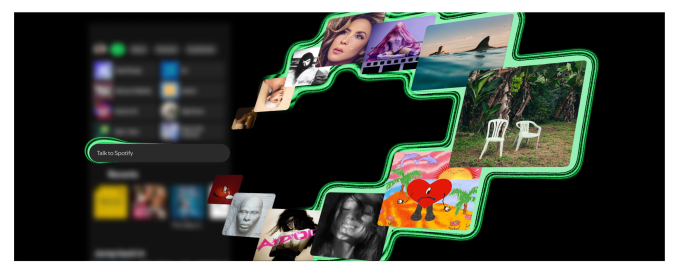
AI is now the engine of personalization, determining how effectively these platforms connect users to their next obsession. Spotify is experimenting with AI-driven “Taste Profiles” that allow for conversational content discovery, while Netflix is leveraging new model architectures to iterate faster on user recommendations.
Beyond discovery, generative AI is accelerating content production and engineering. While the use of AI in creative workflows remains a point of industry tension, companies like Netflix are leaning in—evidenced by their $587 million acquisition of Ben Affleck’s AI-powered production firm. YouTube has integrated generative tools for everything from search improvements to auto-dubbing, with millions of channels already adopting these features.
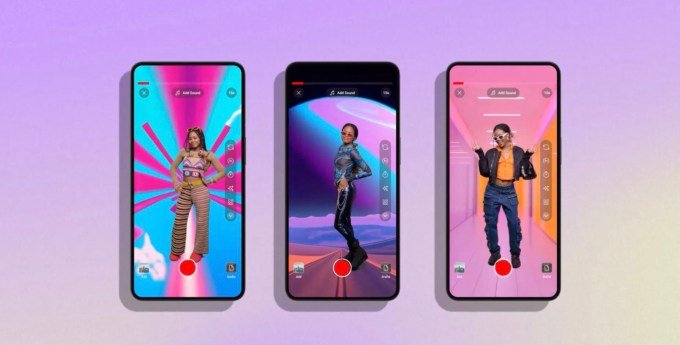
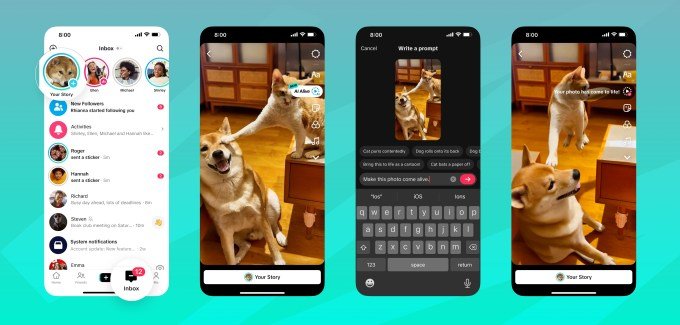
TikTok is also aggressively deploying its own suite of AI tools, ranging from in-app chatbots to automated video creation and enhanced accessibility, while all these platforms are simultaneously upgrading their advertising stacks with AI to sharpen audience targeting and measurement.
For the consumer, this convergence signals a future with less friction and fewer reasons to switch apps. The ultimate goal for these platforms is to become the singular destination for all entertainment, creating a “lock-in” effect where the platform’s utility grows as it gathers more data on user habits—making it increasingly difficult for users to leave, regardless of fluctuations in price or quality.



Leave a Reply