
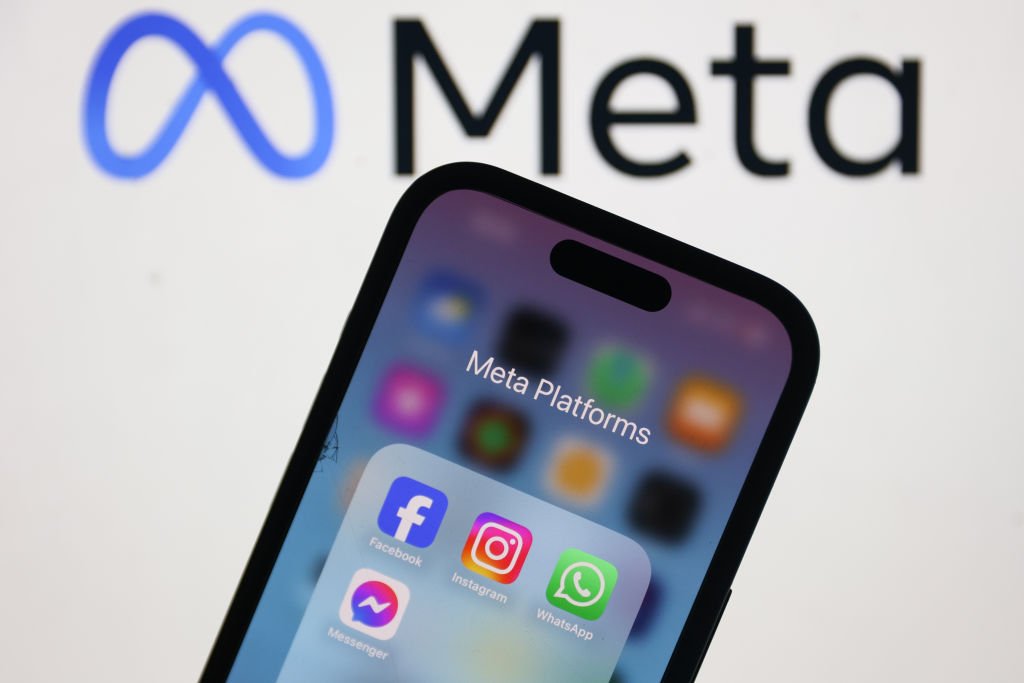



The high-profile social media addiction lawsuit against Meta has been abruptly dismissed. The plaintiff chose to drop the case without receiving any financial settlement, leaving Meta as the sole defendant to walk away unscathed just one day after Snap reached a tentative agreement in the same litigation.
A Strategic Collapse of the Lawsuit
This dismissal follows a string of previous settlements involving TikTok and Google’s YouTube, both of which had already reached agreements with the plaintiff. Snap confirmed its own tentative settlement on Tuesday, further isolating the case against Meta before it was ultimately abandoned.
The bellwether jury trial was scheduled to commence next week at the Superior Court of California in Los Angeles. The plaintiff, a Florida teenager identified as “R.K.C.,” initiated the legal action by accusing major tech firms of intentionally designing addictive platforms. This case was part of a broader wave of thousands of lawsuits filed by schools, state attorneys general, and minors alleging that Big Tech knowingly engineered features—such as infinite scroll and constant notification alerts—to maximize user engagement at the expense of mental health.
Legal Precedents and Industry Impact
The potential precedent set by this trial could have forced a fundamental shift in how social media companies develop their applications. However, the plaintiff’s sudden withdrawal follows a significant blow to Meta earlier this year in New Mexico, where the company suffered its first courtroom defeat regarding social media harms. In that instance, Meta was ordered to pay $375 million in penalties for misleading consumers about platform safety and endangering children.
Additionally, a Los Angeles jury handed Meta and Google another defeat in March, awarding approximately $6 million in damages to the defendant in that specific case.
Meta’s Defense Strategy
Meta had prepared a robust defense for the upcoming Los Angeles trial. The company intended to argue that the plaintiff’s usage of Facebook and Instagram was minimal—averaging only minutes per day—and planned to present evidence suggesting that the majority of his accounts were created only after he had retained legal counsel.
Addressing the dismissal, Meta issued a firm statement: “This outcome makes clear that we will not back away from defending ourselves against baseless lawsuits.”




Leave a Reply