

Listen on Apple Podcasts
Listen on Spotify
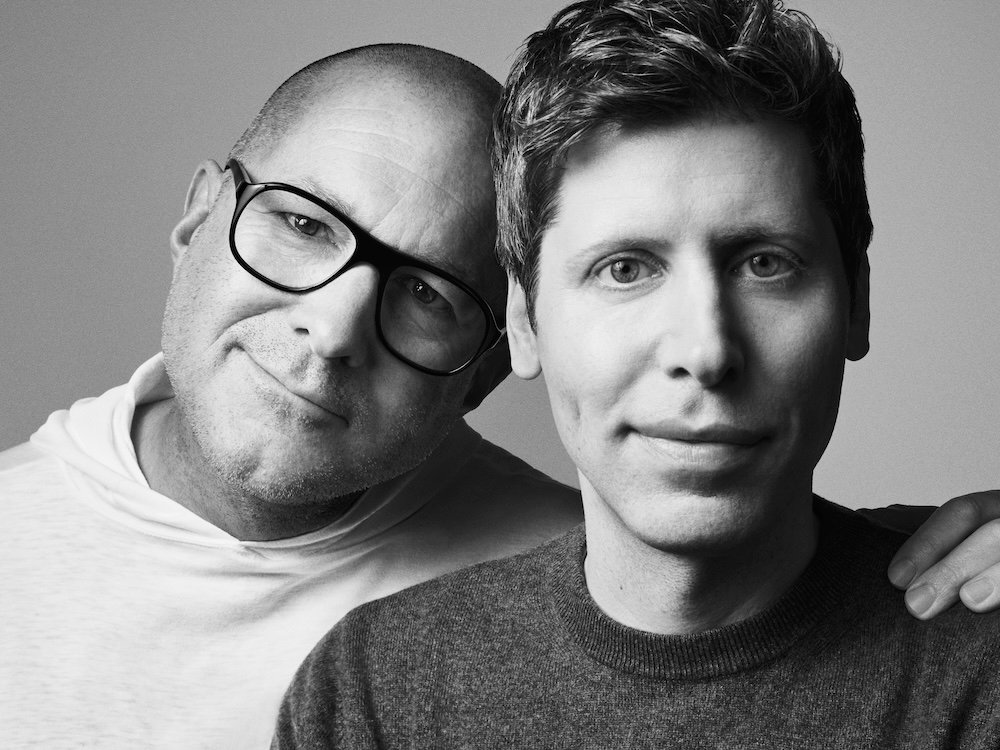
Apple has officially launched a trade secrets lawsuit against OpenAI, alleging a systematic campaign to poach employees and misappropriate confidential information. The legal action, filed last Friday, accuses OpenAI of misconduct involving high-level staff, including the recruitment of its chief hardware officer, Tang Tan. OpenAI has dismissed the claims, stating it is “not aware of any evidence that this complaint has merit.”
The Threat to OpenAI’s Hardware Ambitions
On the latest episode of TechCrunch’s Equity podcast, hosts Kirsten Korosec, Sean O’Kane, and Anthony Ha analyzed whether this litigation could derail OpenAI’s hardware division. The company has been quietly developing hardware projects, including a rumored mobile smart speaker, in collaboration with design legend Jony Ive. O’Kane noted that even without an immediate court-ordered injunction, the legal process itself is likely to trigger significant delays in OpenAI’s product roadmap—a tactical move he believes is intentional on Apple’s part.
IPO Strategy and Market Risks
The timing of the lawsuit is particularly sensitive, as OpenAI is reportedly preparing for an initial public offering (IPO). O’Kane highlights that while OpenAI’s current valuation is heavily tied to its software dominance, the company is expected to pitch investors on its future hardware market. “If they have a big amount of their growth pegged to a potential hardware division, this could be a huge risk that changes the calculus of how the IPO gets priced,” O’Kane explained.
var playerInstance_jwplayer_6a794ba0bd477 = jwplayer( “jwplayer_6a794ba0bd477” );
playerInstance_jwplayer_6a794ba0bd477.setup({
playlist: “https://cdn.jwplayer.com/v2/media/lv0GaEwB”,
});
OpenAI’s hardware journey has been shrouded in mystery since the company released a cryptic video last year, featuring staff vaguely discussing the future of legacy devices like phones and laptops. The panel raised concerns about the social implications of an “always-listening” AI device, emphasizing that such technology would require a total renegotiation of modern social norms regarding consent and privacy in public spaces.
A Repeat of the Elon Musk Trial?
The conversation also turned to whether OpenAI will seek a swift settlement or prepare for a bruising courtroom battle. Apple’s complaint highlights that over 400 former Apple employees now work at OpenAI—a significant talent drain that Apple is clearly monitoring. With the memory of its recent courtroom victory against Elon Musk still fresh, the question remains: did that experience teach OpenAI that it can weather the reputational damage of a public trial, or will the company prioritize shielding its internal operations from further scrutiny?
Kirsten Korosec, for one, predicts that OpenAI will choose to fight, signaling that the company is prepared to endure the cost and potential exposure of a full-scale legal clash.



Leave a Reply