
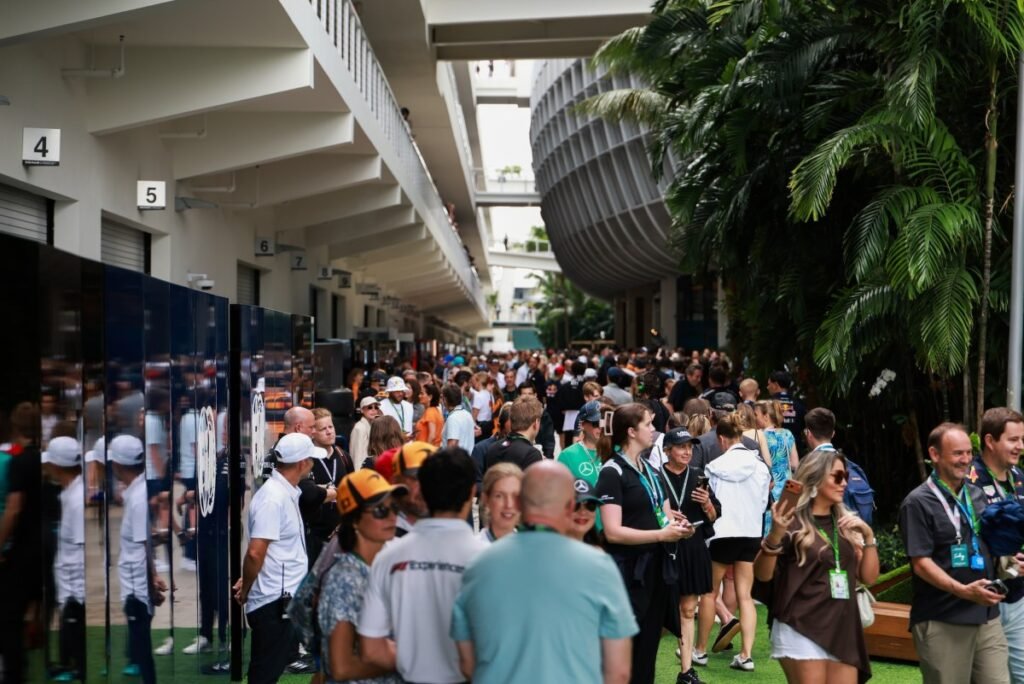


Amidst the sweltering Florida heat and the roar of engines, the Formula 1 paddock has quietly transformed into the ultimate high-stakes boardroom. Over the course of the Miami Grand Prix weekend, founders and venture capitalists have turned the trackside hospitality areas into a prime venue for closing major enterprise deals, effectively replacing traditional, stagnant startup retreats with a high-octane networking environment.
The New Business Playground
F1 weekends have evolved into a three-day marathon of soirées, exclusive dinners, and private parties where the lines between professional networking and luxury entertainment blur. While the race serves as the finale, the real action for the tech elite happens in the fringes. As one founder noted, the paddock has become a “hot place” for anyone with the right access to secure a deal.
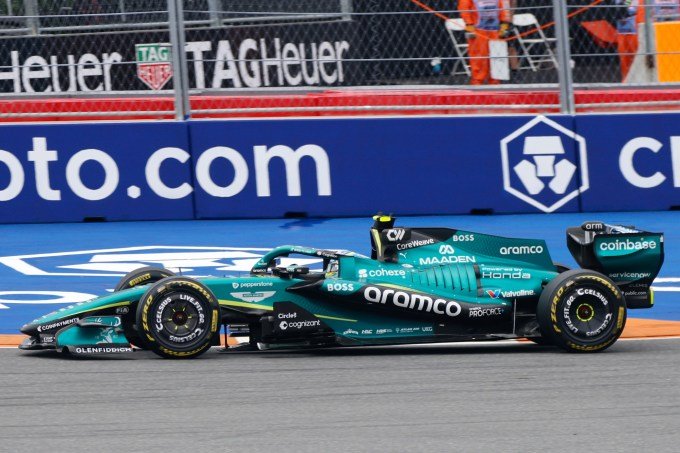
The shift is evident in the team liveries themselves. Once dominated by tobacco, alcohol, and banking, F1 cars are now moving billboards for the cloud computing and AI revolution. This transition mirrors a broader capital migration: as major tech players like Oracle, Microsoft, and AWS deepen their ties to the sport, the executive class has followed suit.
The past five years have cemented this trend. The Mercedes-AMG Petronas F1 team secured a multi-year partnership with Microsoft, while firms like CoreWeave, Anthropic, and Palantir have similarly aligned with teams like Aston Martin, Williams, and Ferrari. Furthermore, private equity and venture firms have begun taking direct stakes in the teams, including the 2020 acquisition of Williams Racing by Dorilton Capital.
A Concentration of Enterprise Buyers
For venture firms like Lightspeed, the paddock offers something a remote mountain retreat never could: direct access to enterprise buyers. Josh Machiz, CMO of Lightspeed, explains that they have formalized a program for U.S.-based races to connect their portfolio founders directly with F1 teams and their corporate clients. In the tight confines of a paddock, CIOs, CISOs, and CEOs are within arm’s reach, fostering organic conversations that lead to tangible results.
The strategy is paying off. During the Miami weekend, Lightspeed-backed companies closed multiple deals, including handshake agreements for blockchain and AI infrastructure startups. For founders, this environment is far more productive than traditional retreats, which often struggle to justify the time spent away from building products.
“The consistent ask from founders was always the same: ‘help me meet more buyers,'” says Machiz. By moving these interactions to the F1 circuit, firms are placing their founders in one of the densest concentrations of enterprise capital in the world.
‘Everyone there has capital’
The barrier to entry—specifically the high cost of attendance—acts as a natural filter. As investor Immpana Srri observes, the exclusivity of the event ensures that everyone present either possesses significant capital, a proven track record, or high-level decision-making power.
This “micro-conference” atmosphere allows for rapid-fire deal flow. Pitches in sectors ranging from defense to consumer packaged goods (CPG) happen in the most unlikely of places, from private hospitality suites to helicopters. The sport’s culture of engineering excellence, rapid iteration, and high-stakes performance resonates deeply with the ethos of the modern startup ecosystem.
Looking ahead, the model is set to scale. With programs expanding to include European races, venture firms are betting that in the world of AI and high-growth tech, the ability to put founders in front of the right buyers at high speed is the ultimate competitive advantage.
Update: The article was updated to include that Lightspeed has a formal program in place with Formula 1 for the three races in the United States.

Leave a Reply