
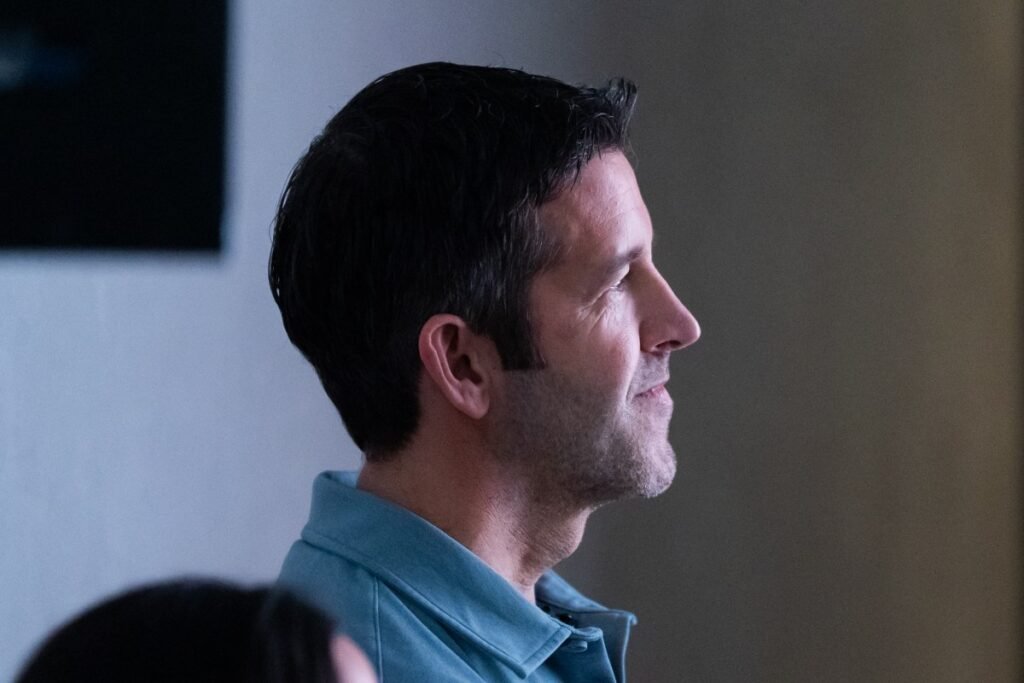



John Ternus is officially set to inherit the reins of Apple, stepping into the CEO role as Tim Cook transitions to executive chairman. After a 15-year tenure that saw Apple’s market cap skyrocket to $4 trillion and Cook amass a personal net worth of roughly $3 billion, the company now enters a period of profound uncertainty. Ternus assumes control of a tech giant burdened by mounting legal battles, geopolitical tension, and a pivotal shift in the artificial intelligence landscape.
The Legacy of Tim Cook’s Battles
Tim Cook’s era was defined by his ability to navigate complex political and legal landscapes, from managing relations with three different U.S. administrations to balancing Apple’s heavy reliance on Chinese supply chains. However, these successes came at a cost. Cook famously clashed with the FBI over encryption in 2016, a move that solidified Apple’s brand as a privacy-focused company but initiated a long-standing friction with global governments. Ternus now inherits the responsibility of maintaining that stance while facing increasing pressure from regulators worldwide.
Antitrust Wars and the App Store
The legal challenges surrounding the App Store are far from over. Following the high-profile legal battle with Epic Games, Apple continues to fight in court over its in-app payment requirements and commission structures. Despite minor concessions, the Ninth Circuit Court of Appeals upheld rulings against Apple in late 2025, and the company is now preparing to petition the Supreme Court. Meanwhile, the U.S. Department of Justice’s 2024 antitrust lawsuit, which alleges that Apple restricts third-party competition to maintain a monopoly, remains a significant threat. Additionally, Apple faces a potential $38 billion fine in India, further complicating its global regulatory outlook.
Geopolitics and the China Balancing Act
Cook’s strategy of building a manufacturing empire within China required careful negotiation, including concessions like removing VPN apps and hosting iCloud data on state-controlled servers. While Cook successfully shielded Apple from trade war fallout—partly through a personal rapport with Donald Trump, who recently praised him as an incredible guy—the geopolitical environment remains volatile. Cook’s continued presence as executive chairman serves as a bridge, ensuring his institutional knowledge remains accessible as Ternus navigates these precarious international relationships.
var playerInstance_jwplayer_6a794e2e159ce = jwplayer( “jwplayer_6a794e2e159ce” );
playerInstance_jwplayer_6a794e2e159ce.setup({
playlist: “https://cdn.jwplayer.com/v2/media/lv0GaEwB”,
});
The AI Crisis and Leadership Turnover
Perhaps the most immediate hurdle for Ternus is the integration of artificial intelligence. Following the departure of AI chief John Giannandrea and delays in upgrading Siri, Apple has been forced to rely on third-party models like Google’s Gemini and OpenAI’s ChatGPT. Market analysts, including Bob O’Donnell, suggest that Ternus must quickly pivot toward an AI strategy that leverages Apple’s internal capabilities rather than depending on competitors. This transition coincides with a broader reshuffling of the executive team, including the recent exits of the company’s COO, general counsel, and head of UI design.
An Uncertain Future for the iPhone Model
Beyond current litigation and AI, a more existential threat looms. Industry experts question whether the rise of autonomous AI agents could eventually render the App Store model obsolete. If AI agents become the primary interface for digital services, or if new hardware innovations from competitors like OpenAI erode the iPhone’s dominance, Ternus will face more than just legal hurdles. He will be tasked with reinventing the very ecosystem that made Apple the most valuable company on the planet.




Leave a Reply