



A new Bloomberg report reveals that Netflix users are increasingly abandoning series before they reach a second season. According to recent data, this trend is driven by a trifecta of issues: frequent cancellations, excessive wait times between seasons, and a library that often prioritizes algorithmic optimization over creative storytelling.
Beyond these production hurdles, the data signals a fundamental shift in entertainment consumption. While Netflix’s signature “binge” model revolutionized streaming by challenging traditional TV, the landscape has changed. Today, Netflix is no longer just fighting cable; it is competing with the rapid-fire engagement of TikTok, YouTube, Reels, and micro-drama apps, making the binge-watch model feel like a relic of a bygone era.
Bingeing helped Netflix beat TV
When the entire first season of “House of Cards” dropped in February 2013, it changed television forever. By removing the shackles of weekly schedules and commercial breaks, Netflix allowed viewers to form deep, rapid connections with characters. This format was perfectly calibrated for a world where streaming was the challenger to linear broadcast, cable, and satellite.
Netflix eventually won that war. In June 2025, Nielsen announced that streaming had officially eclipsed traditional TV viewing for the first time. However, by winning that battle, Netflix effectively moved the goalposts; its current rivals are no longer legacy networks, but the short-form video giants.
TikTok and YouTube are today’s threats
The rise of short-form platforms means that when users have a spare hour, they don’t necessarily turn to Netflix. They have an infinite supply of free, bite-sized entertainment at their fingertips. According to eMarketer analysts, TikTok’s daily engagement has been neck-and-neck with Netflix for years, with the Financial Times reporting global TikTok users spending an average of 95 minutes per day on the app.
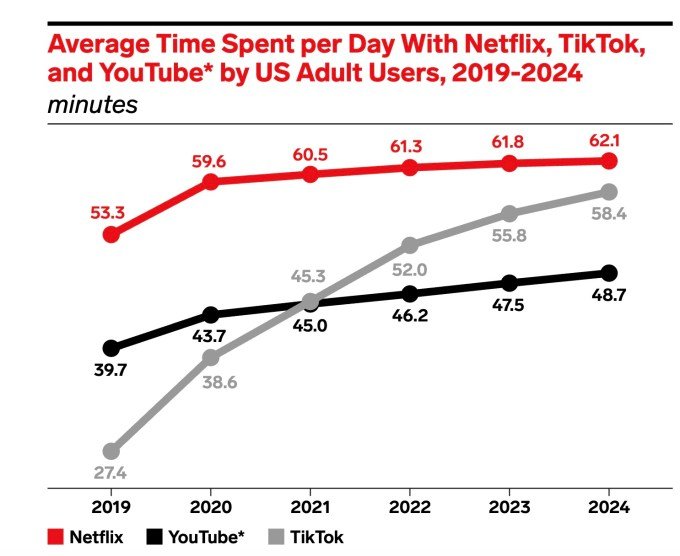
YouTube has similarly surged, with a report by Digital i indicating that the platform surpassed Netflix in daily viewing time in 2025. While methodologies vary, the trend is undeniable: the real competition for attention is the video-app ecosystem.
Netflix has attempted to pivot, recently redesigning its interface to include a TikTok-style feed. Yet, this feature is still marketed as a discovery tool for longer content rather than the destination itself. Meanwhile, users with shrinking attention spans are flocking to micro-drama apps that offer serialized stories consumable in mere minutes.
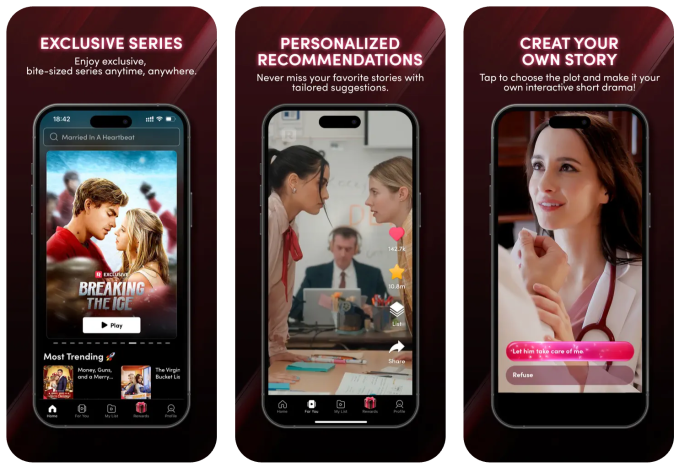
Data from Appfigures shows massive growth for platforms like ReelShort, which saw $1.2 billion in gross consumer spending in 2025—a 119% increase from the previous year. DramaBox also saw its revenue more than double in the same period, signaling a clear appetite for high-intensity, short-form storytelling.
Where does Netflix go from here?
Netflix must now decide whether to fundamentally alter its production strategy. The goal shouldn’t necessarily be a total transition to short-form, but a shift toward “finishable” content. Many viewers no longer want the multi-season commitment required by traditional prestige TV; they want the satisfaction of a complete story, similar to the experience of a standalone YouTube video.
Increasing the focus on limited series could be a simple, effective solution. Furthermore, Netflix could experiment with breaking content into smaller segments or adopting a weekly release model—a strategy that has already proven successful for shows like “Love Is Blind,” which generates sustained social chatter through weekly drops.
While Netflix has experimented with podcasts that reportedly struggle to find an audience and live content, results have been mixed. Its ventures into live sports have shown promise, but experimental reality shows like “Star Search” were already canceled. To remain relevant, Netflix must look beyond the “binge” and redefine how it delivers stories to an audience that increasingly prefers brevity over bulk.

Leave a Reply