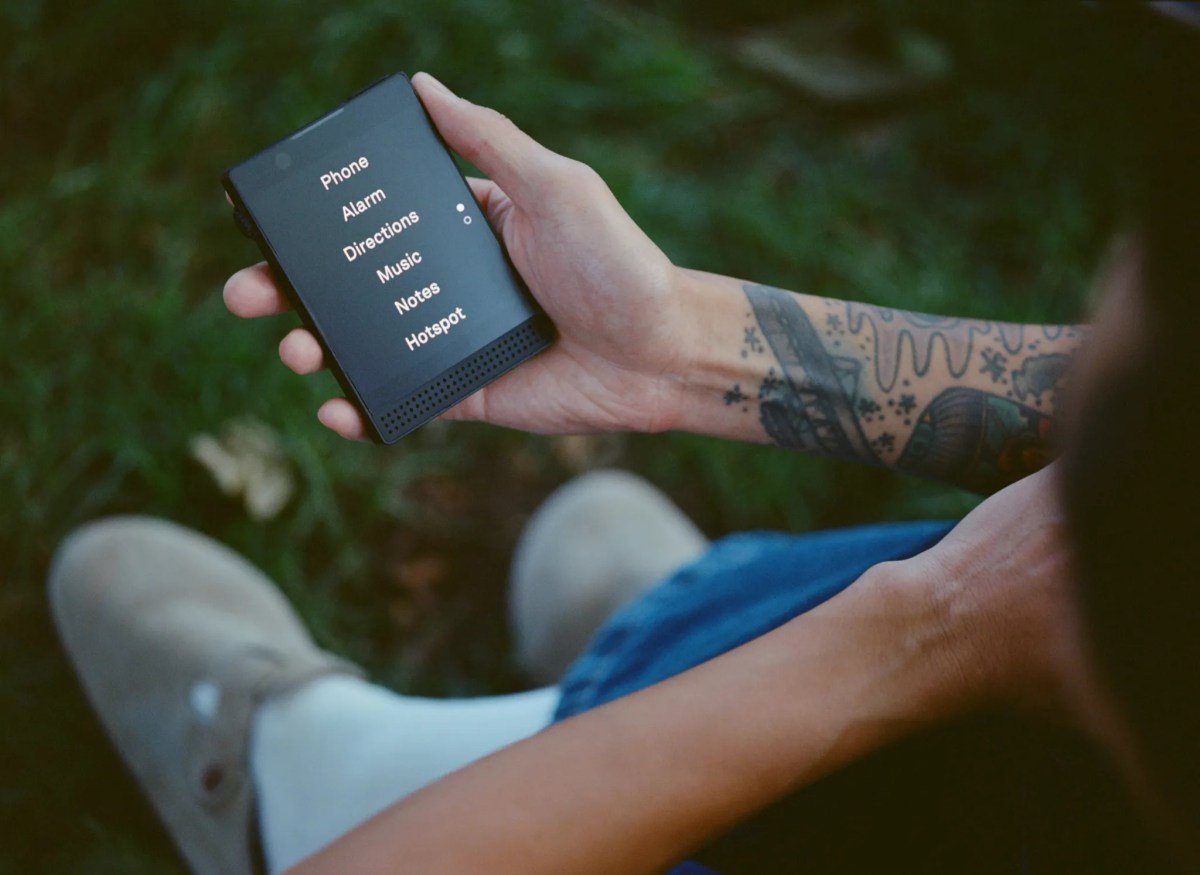
If you are looking for a sign to ditch your smartphone, this is it: the minimalist Light Phone has partnered with Noble Mobile, a carrier founded by entrepreneur Andrew Yang that incentivizes lower data usage through cash-back rewards.
Instant Access to the Light Phone III
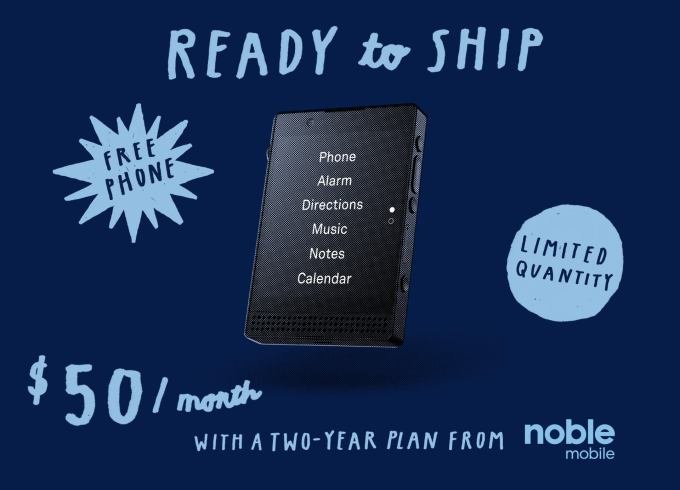
Starting Tuesday, 500 units of the Light Phone III are available for immediate shipment through Noble Mobile. This marks the first time the device has been available without a lengthy waitlist, bypassing the typical shipping delays that have pushed estimated deliveries as far as September. To secure the phone, users must commit to a two-year Noble Mobile service plan at $50 per month, totaling $1,200 over the contract term.
“The exciting part about the Noble launch is not just the lower barrier to entry, but that it’s the first time we’ve had the Light Phone III available for immediate purchase,” said Light co-founder Joe Hollier.
A Decade of Intentional Design
Hollier and co-founder Kaiwei Tang, who met at Google’s 30 Weeks incubator in 2014, designed the device as a bridge between hyperconnected smartphones and outdated flip phones. As a small startup, Light has faced significant production hurdles, including the global RAM shortage, but has successfully shipped 20,000 units since the latest model’s launch last spring.
The partnership with Noble Mobile offers a unique benefit: subscribers receive 5 GB of data per month and can earn up to $5 back for every gigabyte they don’t use. Given the Light Phone’s design, which discourages excessive data consumption, many users are likely to see significant savings.
How does the Light Phone work?
The Light Phone III focuses on essential utility, offering tools like directions and a directory app. While some users find the limited functionality refreshing—as one Reddit user noted after using the device while stranded, allowing for “intentional pondering”—the creators continuously debate which features to include.
“It’s really interesting to see how people fit the Light Phone into their lives,” Hollier said, noting that some users maintain a secondary smartphone without a SIM card for specific needs, while others manage two separate phone numbers.
Reimagining the Camera
The latest iteration features an OLED screen and both front and back-facing cameras. However, the founders were careful to avoid the “maximalist” pitfalls of modern smartphone photography. By removing social sharing features and focusing on a physical shutter button, they aimed to recreate the experience of an old-school point-and-shoot camera.
Despite its appeal, the device lacks modern conveniences like RCS texting, relying on basic SMS. This means group chats may appear clunky and messages lack end-to-end encryption. Yet, for the target audience, these compromises are a trade-off for a more intentional digital existence.
“There’s a middle ground of having the right technology tools that design without the attention and advertising layer of it,” Tang added.
About the Author