
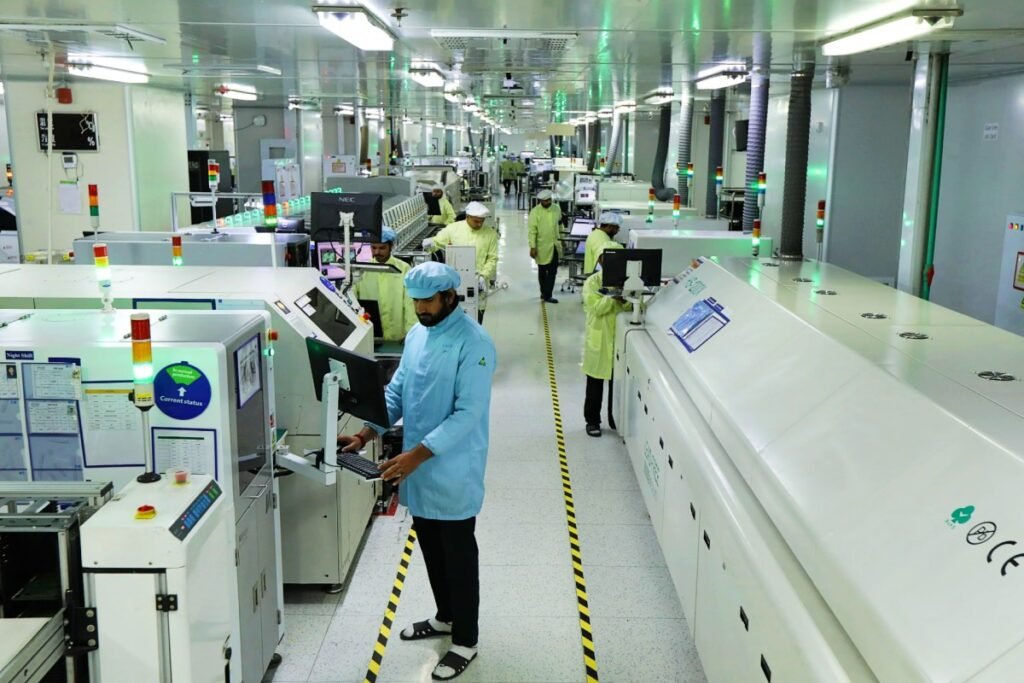



India officially approved a manufacturing joint venture between Chinese tech giant Vivo and local manufacturer Dixon Technologies this Thursday. This strategic move signals a significant evolution in India’s smartphone production landscape, aiming to replicate the success seen with Apple by diversifying the country’s manufacturing ecosystem beyond its current reliance on the iPhone maker.
A Strategic Partnership Cleared for Takeoff
The government’s approval paves the way for a partnership first announced in December 2024. New Delhi had previously subjected the deal to rigorous scrutiny under 2020 investment regulations, which mandate extra oversight for capital originating from countries sharing a land border with India. According to a stock exchange filing by the Noida-based Dixon, the venture will acquire specific manufacturing assets from Vivo, handle a portion of its smartphone assembly in India, and maintain the capacity to produce electronics for other brands.
The New Blueprint for Chinese Brands in India
The 51/49 ownership structure—with Dixon holding the majority stake—serves as a potential template for other Chinese firms operating in India. As global industries observe how the Indian government manages the intersection of Chinese capital and domestic manufacturing, this model offers a path to mitigate regulatory friction. While Apple has successfully turned India into a global export powerhouse—accounting for 57% of the country’s smartphone exports by volume—Chinese brands currently dominate domestic sales with a 72% market share but contribute less than 10% to total exports. This gap highlights a massive opportunity for growth should these companies shift toward an export-oriented manufacturing strategy.
Navigating Geopolitical and Regulatory Hurdles
Apple’s expansion has been powered by giants like Foxconn and Tata. Conversely, Chinese smartphone leaders such as Oppo, Vivo, and Xiaomi have been increasingly exploring partnerships to bypass hurdles created by tightened investment rules and the fallout from the 2020 border clashes. Faced with ongoing tax and regulatory investigations, ceding majority control to an Indian partner has emerged as a more sustainable operating model.
Tarun Pathak, research director at Counterpoint Research, notes that this arrangement aligns with India’s push for local participation. “The approval of this joint venture creates a win-win for both players,” Pathak stated. The structure grants Vivo better policy alignment, while providing Dixon the scale to increase local value addition and expand export capabilities.
Scaling Up: What This Means for Dixon
Vivo has manufactured and exported smartphones from India for years, but this venture represents a deeper commitment to the region, where the vendor retained the top spot with a 23% shipment share in Q1. For Dixon, the deal is projected to add roughly 20 million to 22 million units in annualized manufacturing volume, according to Managing Director Atul Lall’s comments during the company’s May earnings call.
Having already secured manufacturing partnerships with Xiaomi, Dixon is solidifying its role as the primary bridge for global and Chinese brands looking to navigate the complexities of the Indian market, further cementing its status as a cornerstone of the country’s electronics manufacturing surge.



Leave a Reply