


The smartphone industry is shifting its focus from hardware innovation to financial models. As premium device prices climb, giants like Apple and Samsung are aggressively pushing leasing, subscriptions, and guaranteed buyback programs to transform how consumers acquire their next flagship smartphone.
The New Ownership Model
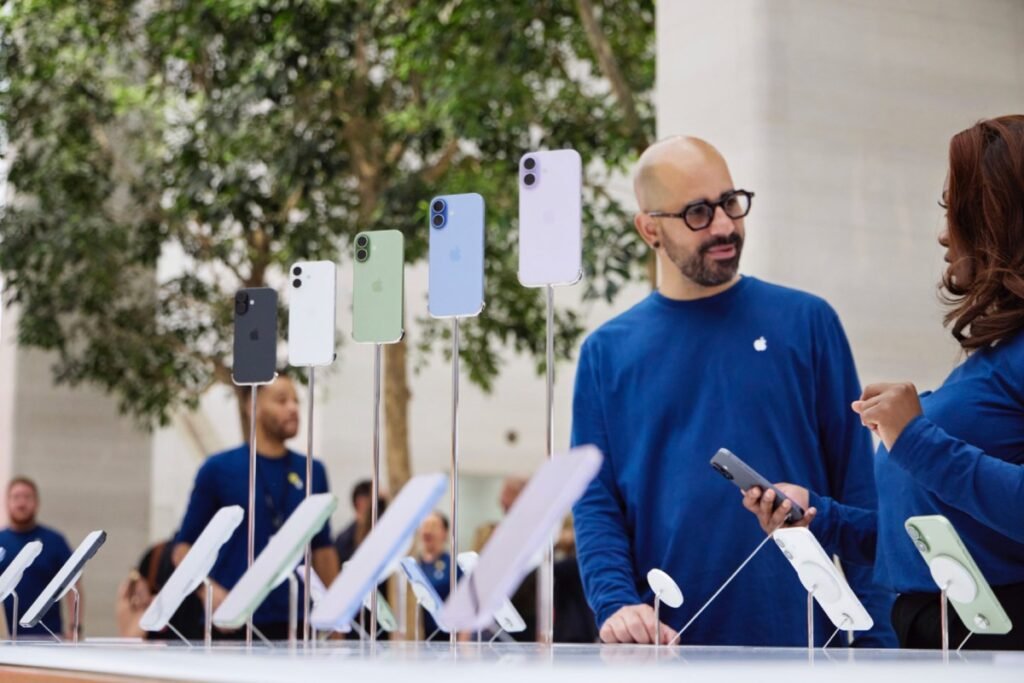
This week, Apple launched its Apple Upgrade program in the U.S. in collaboration with Klarna. The service allows users to lease iPhones, Macs, iPads, or Apple Watches for a recurring monthly fee, providing the flexibility to upgrade, return, or eventually purchase the hardware. Meanwhile, Samsung continues to promote its Galaxy Forever program in India, which blends traditional financing with a guaranteed buyback option to streamline the upgrade process for high-end Galaxy devices.
During Apple’s earnings call on Thursday, CEO Tim Cook stated that these programs are designed to simplify access to the latest technology for frequent upgraders. Cook noted that Apple’s high resale values make the company’s ecosystem particularly well-suited for leasing structures.
This pivot comes as consumers hold onto their phones longer. Rising component costs and incremental hardware improvements have extended the lifespan of older devices, reducing the frequency of new sales and slowing the supply of handsets to the refurbished market. Counterpoint Research projects the global replacement cycle will hit four years by 2026, up from 3.5 years in 2025.
IDC reports that in the U.S., premium smartphone owners now retain their devices for an average of 42 months, up from 38–40 months previously. This trend is forcing manufacturers to experiment with models that guarantee a steady flow of inventory. “These programs fundamentally do not work unless a secondary market exists,” says Max Weinbach, an analyst at Creative Strategies. “The only way to sustain a used or refurbished market is to make sure devices enter that market, and leasing and guaranteed buyback programs make that possible.”
var playerInstance_jwplayer_6a79491f2784a = jwplayer( “jwplayer_6a79491f2784a” );
playerInstance_jwplayer_6a79491f2784a.setup({
playlist: “https://cdn.jwplayer.com/v2/media/lv0GaEwB”,
});
When Leasing Makes Sense
“Leasing definitely isn’t for everyone, but it can make sense, especially for someone who upgrades often,” Matt Schulz, chief consumer finance analyst at LendingTree, told TechCrunch. For users who keep their phones for three to five years, however, buying the device outright remains the more economical choice.
For those who swap devices every 12 to 24 months, the math often favors subscription models. “The intent is that the user will turn in their device every 12 to 36 months because they intend to upgrade regardless,” Weinbach explained. He suggests that frequent upgraders might find leasing costs competitive with—or even lower than—buying a device outright and trading it in later, especially for high-storage models that often suffer from poor trade-in value retention.
Ecosystem Retention is the Goal
Beyond affordability, these programs serve a strategic purpose: locking customers into brand ecosystems. “The real driver isn’t shorter upgrade cycles; it’s protecting margin and retention as pricing pressure mounts,” says Navkendar Singh, IDC’s associate vice president of devices research. Brands are shifting from one-off sales to predictable monthly revenue streams that keep users tied to their hardware and services.
While monthly billing is standard in the U.S. due to carrier-led financing, phone manufacturers now want to manage that relationship directly. Traditionally, carrier-subsidized plans and trade-ins—often reaching $1,100—have fueled the high average selling prices in the U.S. market, helping Apple and Samsung maintain a combined market share of over 80%.
Startups are also capitalizing on this shift. BytePe in India reports that 80% of its customers prefer subscription models over traditional financing. CEO Jayant Jha notes that their clientele, primarily young professionals, values the ability to access premium hardware without significant upfront costs.
This global trend, mirrored by companies like Raylo in the U.K. and Grover in Germany, is expected to grow. “The primary objective is to increase customer lifetime value by improving retention, creating predictable upgrade cycles, and securing a steady pipeline of trade-in devices for certified refurbishment and resale,” says Tarun Pathak of Counterpoint Research.
However, traditional ownership is unlikely to vanish. Mandeep Manocha, CEO of the refurbishment platform Cashify, expects a multi-model future. “All three business models have a place to exist, and they will continue to do so,” he said. “There is a natural transition that may happen from complete ownership to leasing, but it’s a long journey.”
In the U.S., where carrier financing remains deeply entrenched, analysts like IDC’s Nabila Popal suggest that Apple’s new program may have a more significant impact on Mac sales than on iPhone market dynamics, serving as an expansion of payment options rather than a total disruption of consumer behavior.



Leave a Reply