
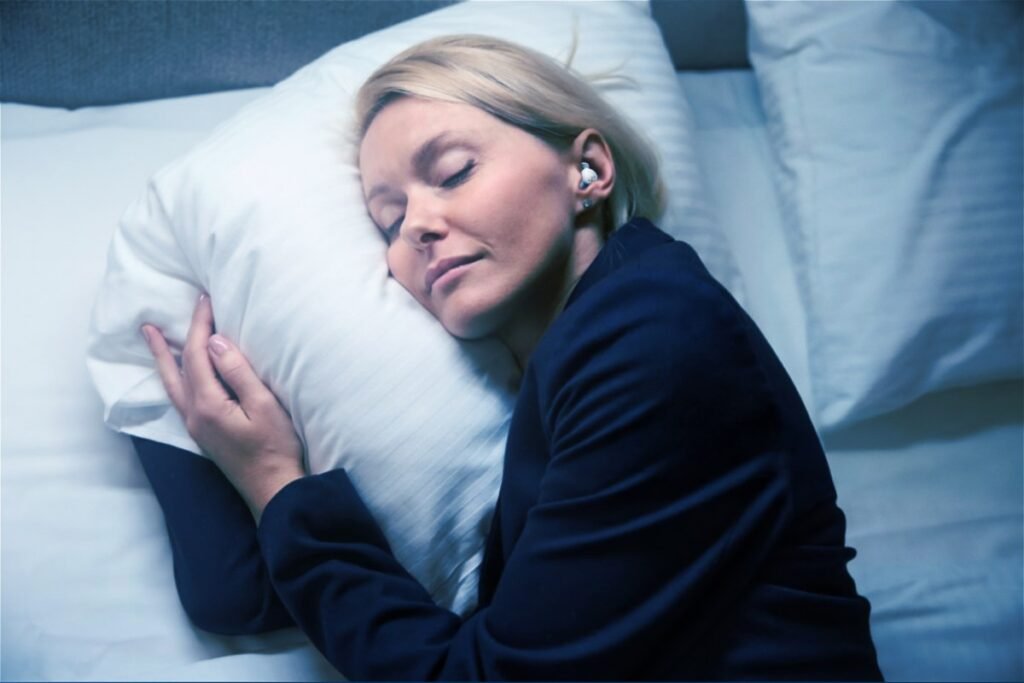



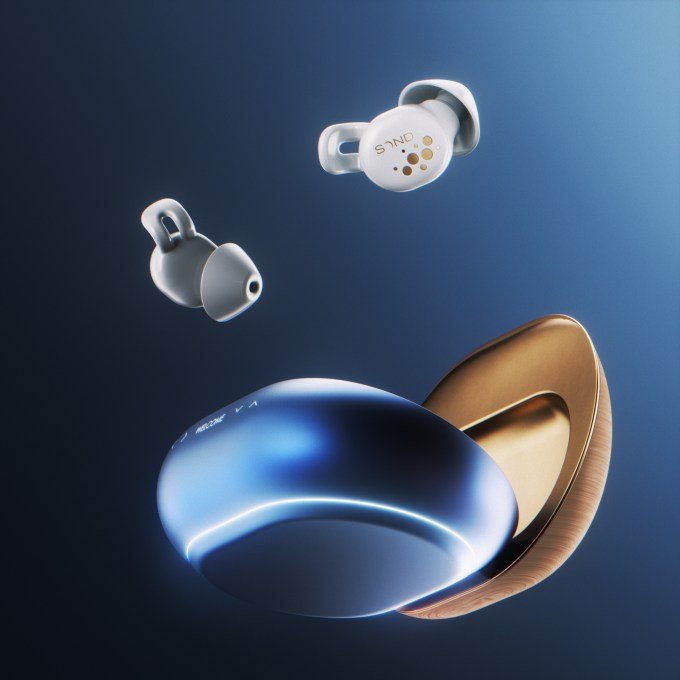
Boston-based startup SOND officially exited stealth mode this Wednesday, announcing $7 million in funding to disrupt the sleep technology market. Unlike traditional sleep earbuds that merely mask ambient noise, SOND’s debut product, “Dreambuds,” functions as a closed-loop, in-ear system that captures 12 physiological signals to actively intervene and improve sleep quality in real time.
The Science Behind Better Sleep
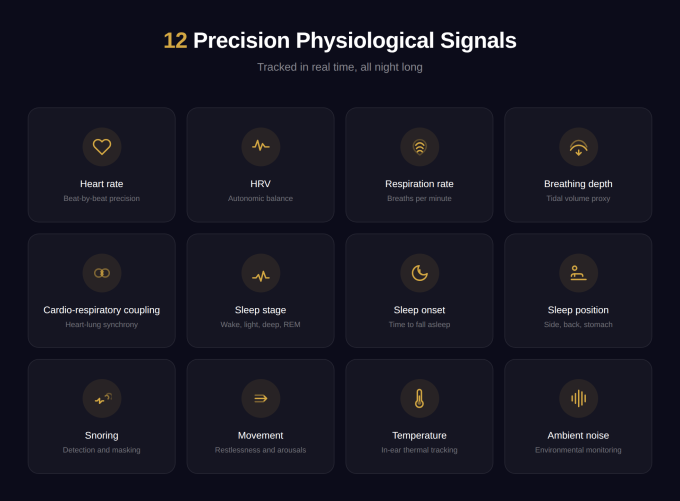
The $7 million funding round was backed by E14 Fund, Crosslink Capital, Ubiquity Ventures, Alumni Ventures, Meach Cove Capital, and Boston Scientific co-founder John Abele. The Dreambuds technology tracks a comprehensive suite of metrics, including respiration, heart rate variability, cardiorespiratory coupling, sleep staging, body position, snoring, and seismocardiography (SCG) to analyze mechanical vibrations of the chest wall.
This data is processed in real time by a cloud-based AI sleep coach. The system selects or generates personalized audio programs—ranging from soundscapes to guided stories—learning over time which interventions are most effective for each individual.
Leadership and Origins
SOND is led by CEO Yadid Ayzenberg, the former Head of Sleep Products at Bose, who oversaw the development of Sleepbuds 2. When Bose exited the sleep wearable market, Ayzenberg saw a path to build a specialized startup. He founded SOND in February 2022 alongside CTO Amir Lazarovich, a former senior software engineering manager at Google. The two met as students at MIT.
Ayzenberg’s journey into this field began with his startup, The Sync Project, which was later acquired by Bose. Reflecting on his time there, he noted that customers consistently demanded sensors to track sleep, a feature that was previously constrained by battery life and size limitations in earbud form factors.
Phone-Free Experience
To avoid the distraction of smartphone screens before bed, the Dreambuds system operates independently. The charging case acts as the control hub, featuring Wi-Fi, Bluetooth, an OLED display, physical buttons, and a built-in speaker for alarms.
“We have a running joke — we say giving an insomniac a phone is like running an AA meeting in a liquor store,” Ayzenberg says. The AI coach is designed to be reactive; it only engages via a double-tap gesture on the earbuds to prevent unwanted intrusions during the night.
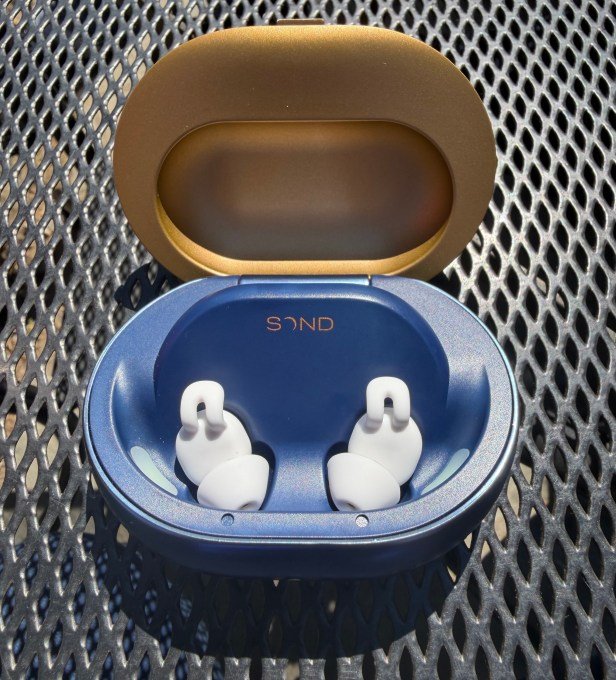
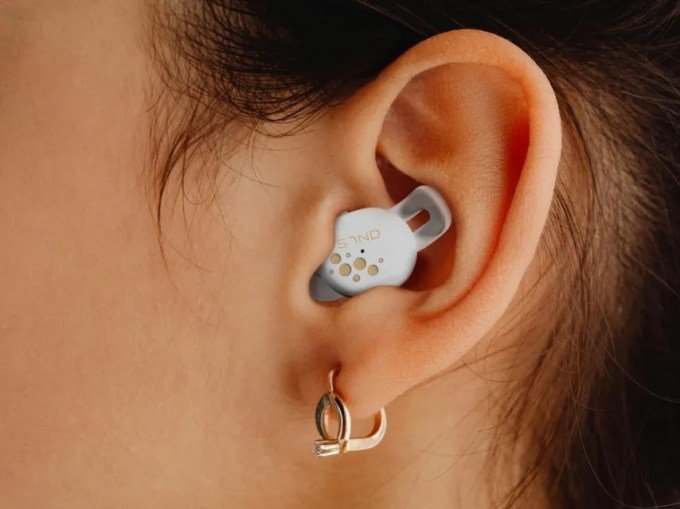
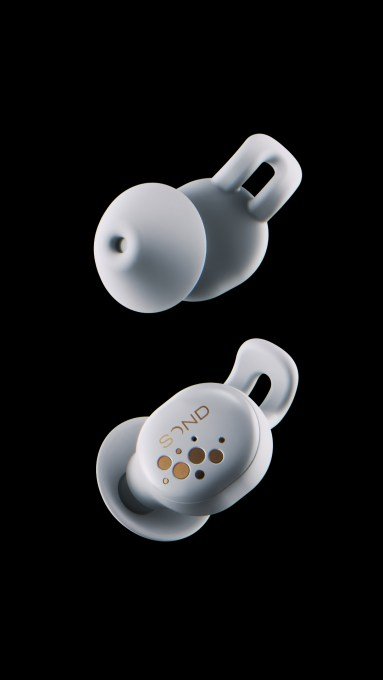
While the AI manages the sleep experience, users can still access detailed hypnograms and sleep cycle data through a companion app. The hardware itself features an unconventional design, with sensors facing outward, and includes wide-frequency drivers for high-fidelity audio.
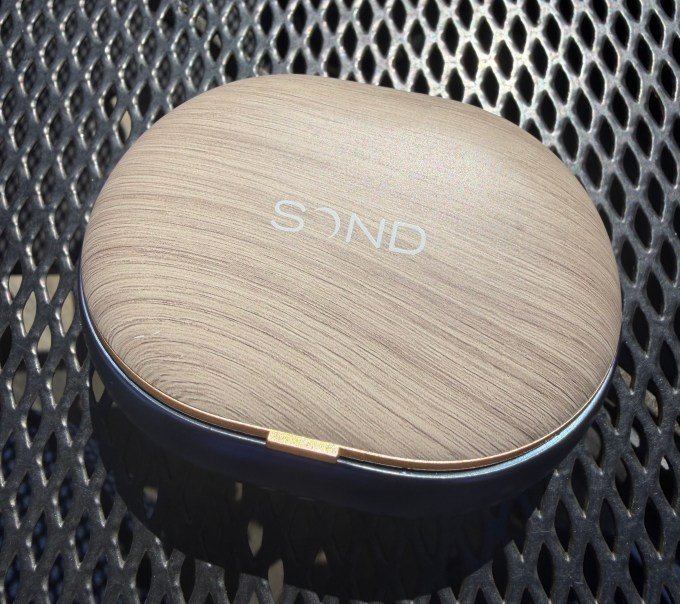
SOND aims to reach mass production by Q2 2026, following a planned crowdfunding campaign. Interested customers can currently place reservations on the company’s website.



Leave a Reply