
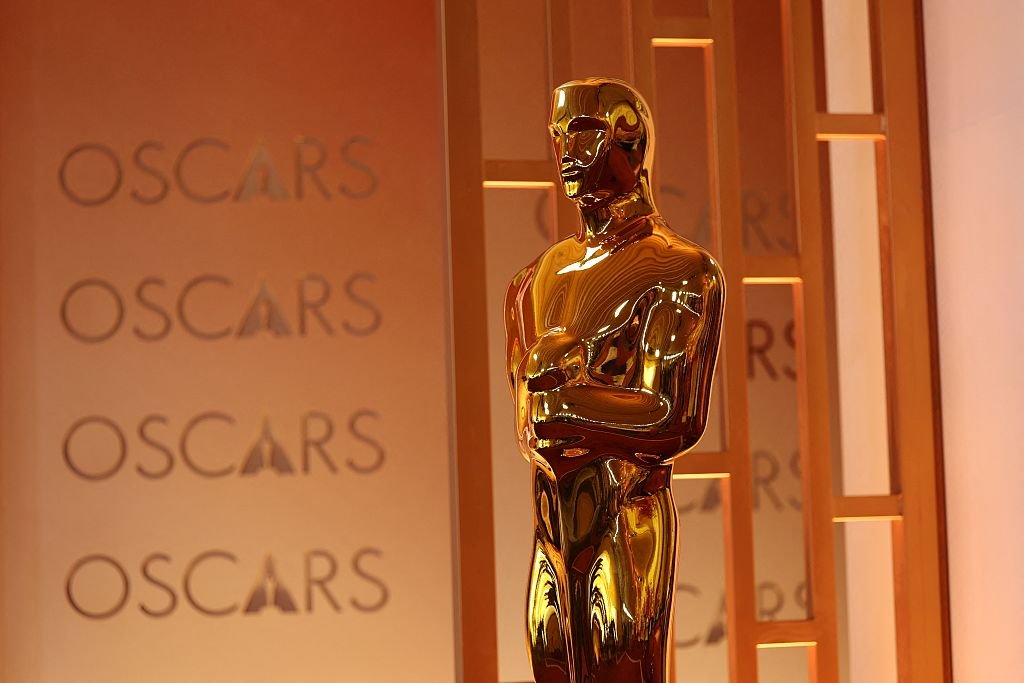



The Academy of Motion Picture Arts and Sciences officially updated its eligibility criteria for the 99th Oscars this Friday, establishing a firm stance against generative artificial intelligence. Under the newly released rules, the organization mandates that all performances and screenplays must be fundamentally human-created to qualify for an Academy Award.
Strict Human-Only Standards
The Academy specified that only performances “credited in the film’s legal billing and demonstrably performed by humans with their consent” will be considered for acting categories. Furthermore, the governing body clarified that screenplays must be “human-authored” to maintain eligibility. To ensure compliance, the Academy has reserved the right to demand detailed documentation regarding a film’s specific use of AI and the extent of human authorship involved in the production.
Contextualizing the AI Shift in Hollywood
This regulatory pivot arrives as the industry grapples with the rapid integration of synthetic media. High-profile projects, such as the upcoming independent film featuring an AI-generated version of Val Kilmer, have intensified the debate. The rise of digital personas like AI “actress” Tilly Norwood and the emergence of advanced video generation models have sparked significant concern among filmmakers regarding the future of traditional creative roles. These anxieties mirror the central tensions that fueled the 2023 actors’ and writers’ strikes, where the protection of human labor against AI replacement was a primary point of contention.
Industry-Wide Resistance
The Academy’s decision aligns with a broader trend of resistance against AI-generated content in creative industries. Beyond the film sector, the literary world has seen publishers pull novels due to undisclosed AI involvement, while various professional writers’ guilds have begun formalizing policies that disqualify AI-assisted work from award consideration.

Leave a Reply