




Meta is scrambling to shed the reputation of its smart glasses as a creepy surveillance tool. This week, the tech giant announced a software update designed to disable the device’s camera if users attempt to tamper with the LED indicator light that signals recording is in progress.
Addressing the “Creep Factor”
This update serves as a direct concession to growing consumer sentiment. While Meta markets these glasses as trendy accessories—famously sported by Kylie Jenner—critics argue they are being weaponized to record unsuspecting individuals without consent.
In its official blog post, Meta touts the feature as an industry-leading safeguard. However, the company inadvertently admitted that the measure was reactive: users had been covering the LEDs with tape or using “sophisticated efforts to modify or destroy the capture LED” to covertly record others, often targeting women.
The Paradox of Meta’s Privacy Strategy
Despite this attempt to bolster safety, Meta’s broader AI roadmap continues to demand deeper access to user data. Reports from the Financial Times suggest the company is testing prototypes capable of “continuously collecting audio” while snapping photos every few seconds. Furthermore, the company is actively exploring continuous recording and biometric facial recognition.
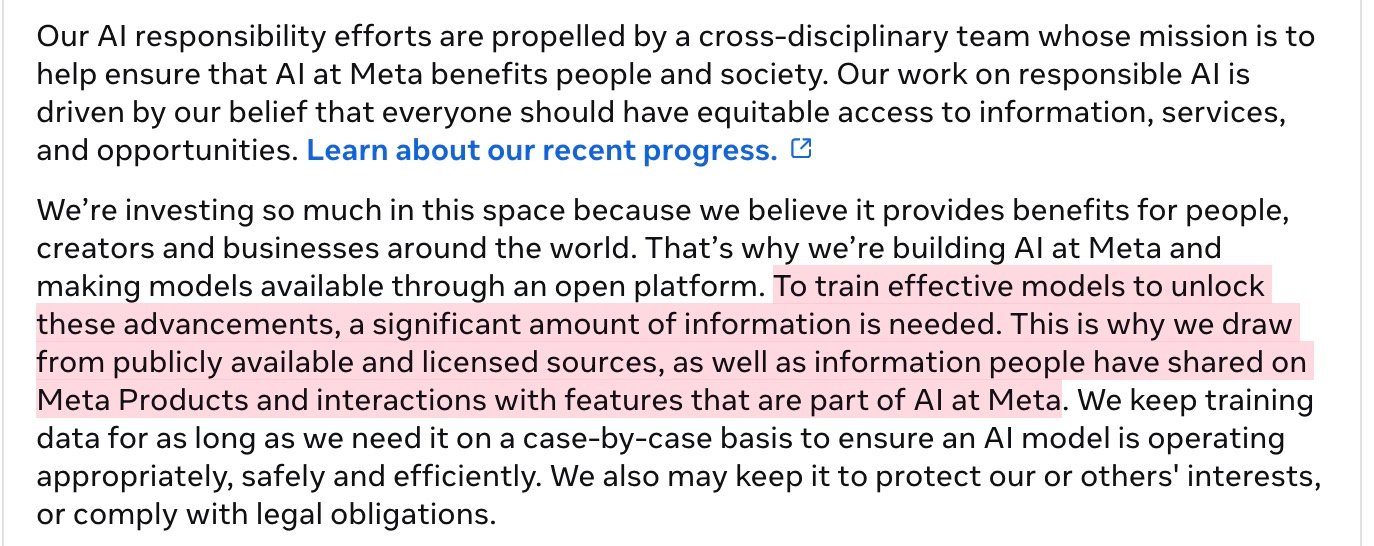
While Meta claims that photos taken on glasses remain private unless shared, its own privacy policy confirms that content shared with Meta AI is used to train its models. This is compounded by the fact that Meta is currently facing multiple investigations and lawsuits, including allegations that outsourced workers were exposed to graphic content while training AI on user-recorded footage.
A History of Distrust
Meta’s struggle to regain public confidence is rooted in years of controversies, ranging from the Cambridge Analytica scandal to recurring allegations regarding child safety failures and a “growth at all costs” culture. Documents and whistleblower reports continue to fuel skepticism about the company’s commitment to user privacy.
The company’s recent moves have done little to quell these concerns. On the same day it announced the LED safeguard, Meta revealed that it is now using public Instagram photos to train its AI by default, requiring users to actively opt-out. Additionally, the company has faced criticism for implementing features that potentially dox users by revealing search history and for its ongoing plans to leverage AI chat data for targeted advertising.




Leave a Reply