
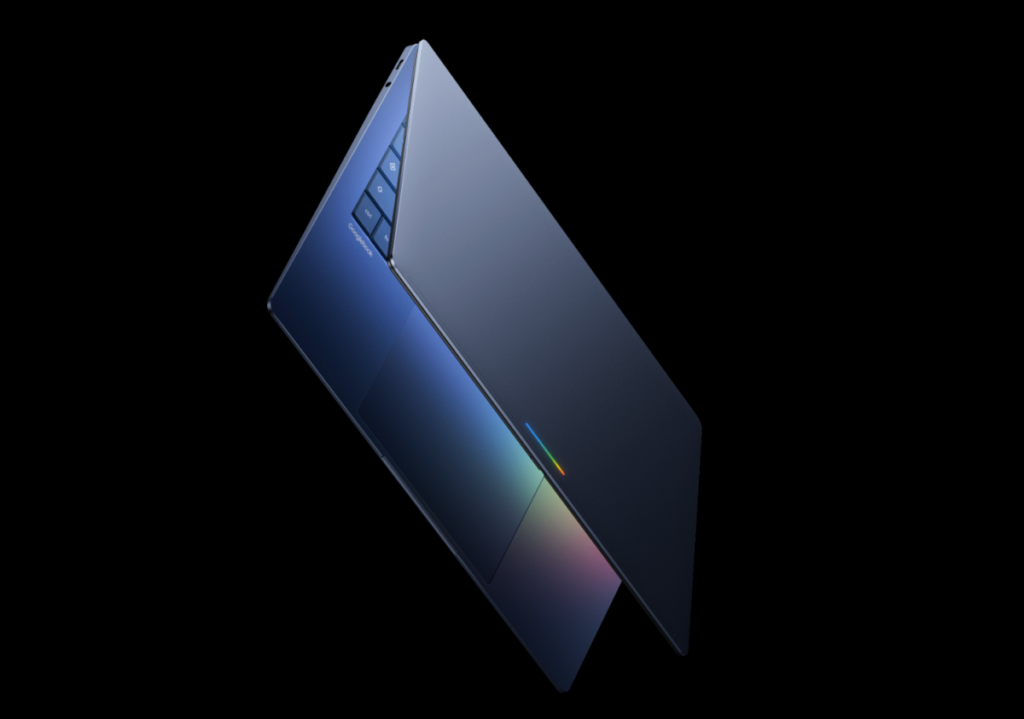


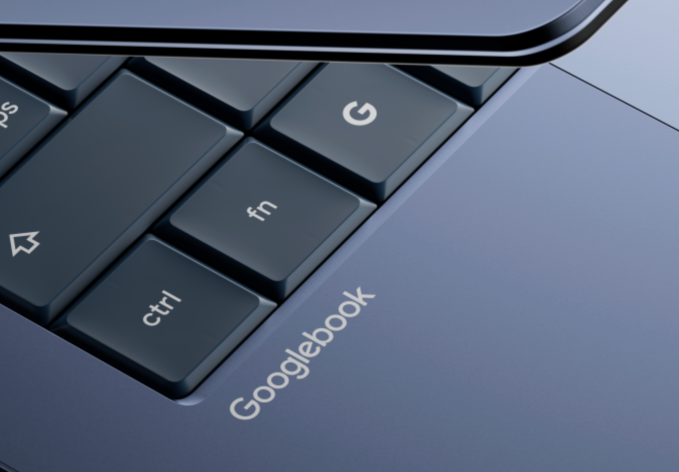
Google officially unveiled Googlebook on Tuesday, a brand-new line of laptops engineered from the ground up to run on Gemini, the company’s flagship AI model family. Launching this fall, the devices are the result of a strategic partnership with major hardware manufacturers, including Acer, Asus, Dell, HP, and Lenovo, aiming to bring AI-native computing to a wide variety of form factors.
The “Magic Pointer” and Proactive Intelligence
The standout feature of the Googlebook is the “Magic Pointer,” an AI-integrated cursor powered by Gemini. Moving beyond standard point-and-click functionality, the cursor offers contextual suggestions based on on-screen content. By wiggling the pointer, users can trigger quick actions—such as scheduling a meeting from a date in an email or visualizing how a new piece of furniture would look in a room by selecting two images.
“We thought, we can take Gemini Intelligence and make the pointer truly smart and intelligent,” said Alexander Kuscher, Google’s senior director of Android tablets and laptops. “As you wiggle and you move over the screen, it will tell you what it can interact with, and contextually offer you the actions that you can do. It’s built in, but not in your face.”
Seamless Android Integration and Customization
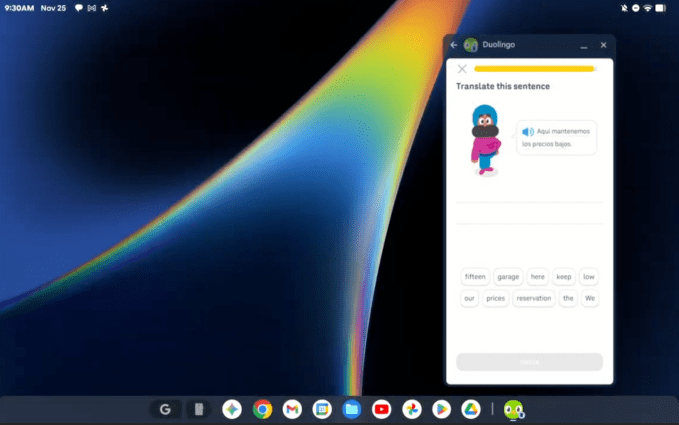
Googlebooks aim to bridge the gap between mobile and desktop computing. Users can run Android apps directly on their laptops, allowing for a unified workflow—such as completing a language lesson on a laptop instead of reaching for a phone. Furthermore, the file browser allows for effortless access, searching, and insertion of files stored on an Android device.
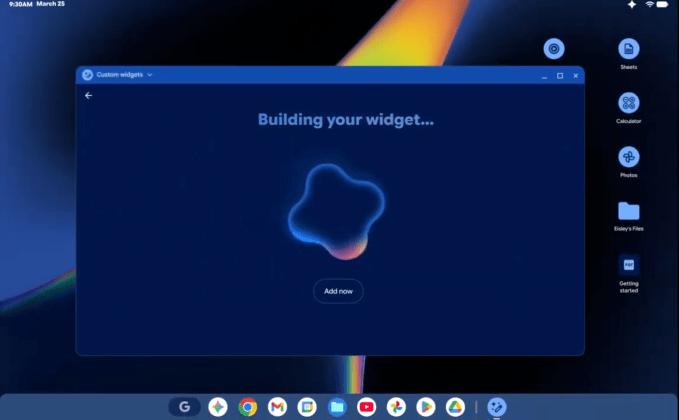
Productivity is further enhanced by the “Create your Widget” feature. Users can prompt Gemini to build custom, personalized dashboards that aggregate information from the web, Gmail, and Calendar. For instance, planning a trip can involve the AI gathering flight details, hotel reservations, and restaurant bookings into a single view with a countdown timer.
A Strategic Shift Away from ChromeOS
The Googlebook marks a significant transition in Google’s hardware strategy, 15 years after the debut of the Chromebook. While the company stated that it will continue to support existing Chromebook users and that some devices may be eligible for the new experience, the long-term roadmap points toward an Android-based operating system with AI built in at the foundation. This platform evolution serves as a direct competitive response to Microsoft’s Copilot+ PCs, positioning Google to vie for dominance in the AI-native personal computing market.



Leave a Reply