
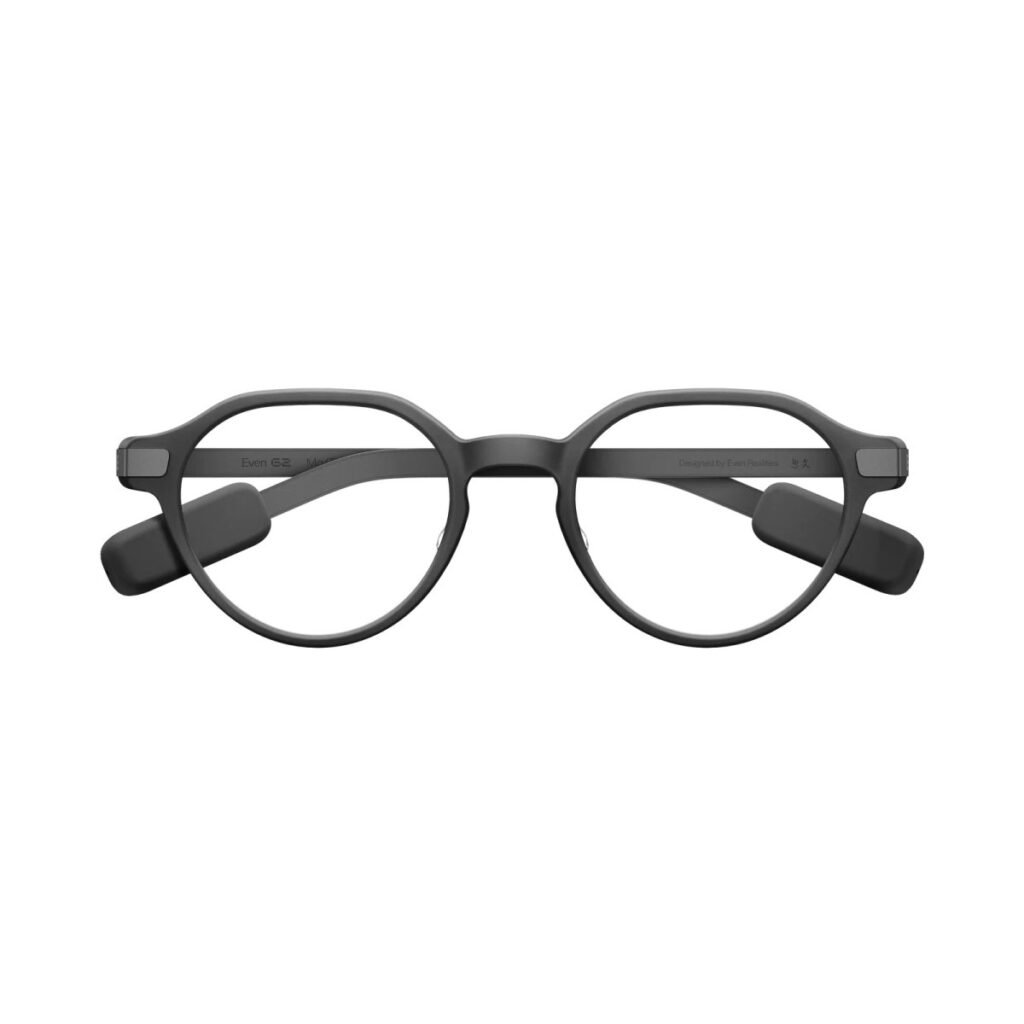



While tech giants race to turn glasses into the next primary computing interface, many current smart devices remain tethered to smartphones. Even Realities is challenging this trend with its G2 smart glasses, a device that intentionally omits cameras and speakers to prioritize privacy and workspace productivity over constant recording.
A Shift in Smart Glass Philosophy
Unlike competitors such as Meta, which emphasize capturing the world, Even Realities focuses on a monochrome, neon-style heads-up display (HUD). This design choice ensures that users can access essential information—such as text and notifications—without making those around them feel like they are being filmed.
The G2 serves as a significant upgrade from the original G1. It features a brighter 1,200-nit display, a 75% larger viewing area, a smoother 60Hz refresh rate, and an array of four microphones for voice interaction. While early connectivity issues were a major hurdle, recent app updates have stabilized the link between the glasses and the smartphone.
Design and Battery Performance
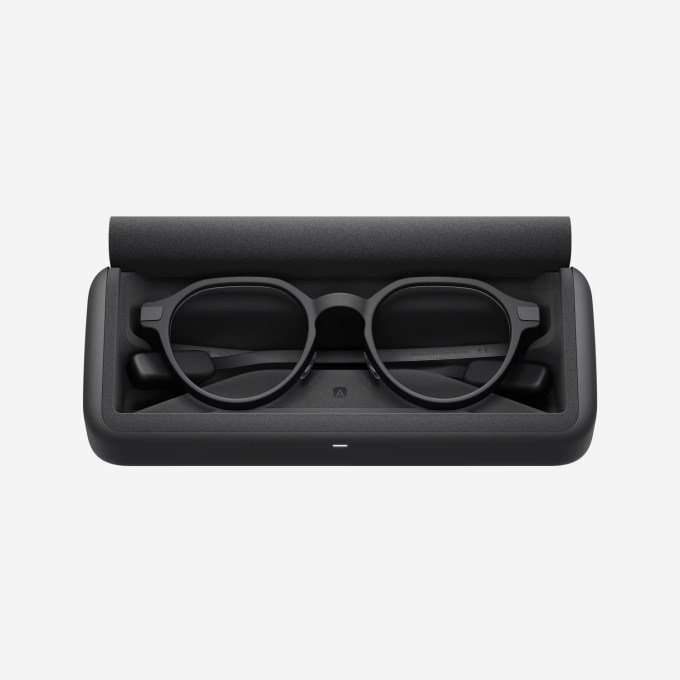
Weighing in at just 35 grams, the G2 utilizes a magnesium alloy frame and titanium temples, offering a comfortable fit for extended use. The battery life is rated for up to two days of typical use, supported by a robust charging case that provides seven additional charges. While the case is somewhat bulky, it serves its purpose as a secure protective shell.
Functionality and Software Limitations
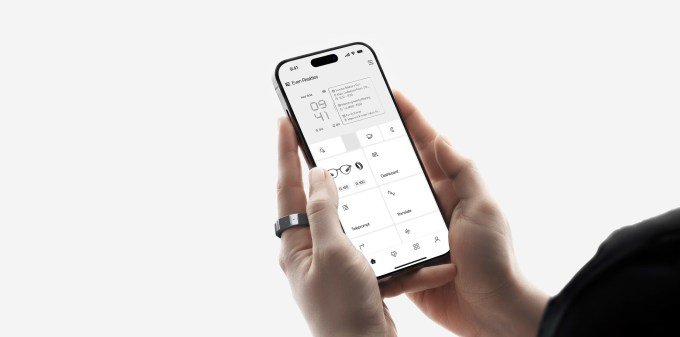
The G2 serves as a companion for scheduling, reminders, and note-taking. Users can interact with a dashboard via touch-sensitive stems. While features like real-time language translation and “prep notes” for meetings show promise—particularly the ability to surface definitions for complex topics during conversations—other features fall short. The navigation tool, for instance, requires routing through a proprietary app rather than Google or Apple Maps, and accuracy remains an issue.
Furthermore, the voice-activated assistant, “Even AI,” struggles with ambient noise and interpreting commands, often providing long-winded answers that cannot be easily skipped. The lack of on-device brightness control is another drawback, requiring users to open the phone app for manual adjustments.
The R1 Ring: An Optional Accessory
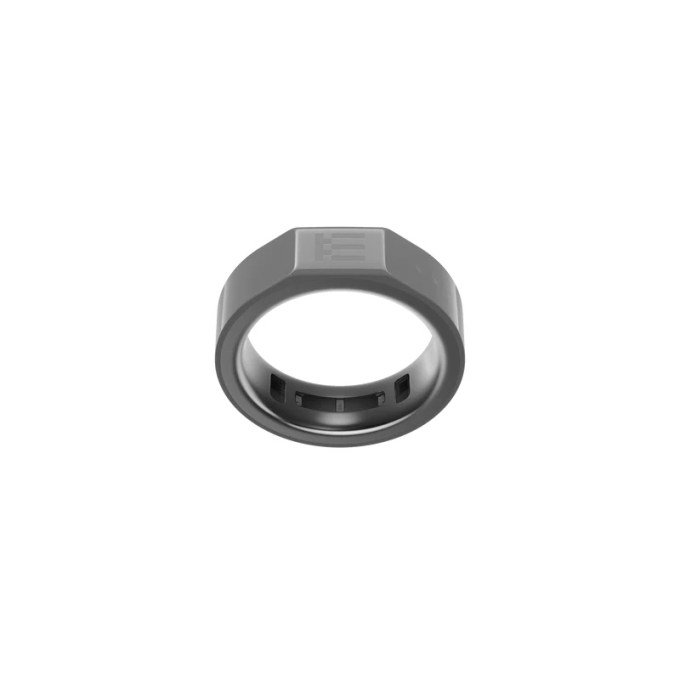
Even Realities also launched the R1 ring, a $249 controller intended to manage the glasses. While the ring is functional, it feels redundant given the touch-sensitive controls already present on the glasses’ temples. Its auxiliary health-tracking features are better served by dedicated devices like Oura or Ultrahuman, making the R1 difficult to recommend for most users.
Market Outlook for Even Realities
At a price point of $599, the Even Realities G2 offers high-quality hardware for niche professional use cases, such as constant translation or teleprompting. While the company is exploring third-party app support, the current ecosystem lacks a “killer app” that would make these glasses an essential daily item. Even Realities has established a solid hardware foundation, but future success hinges on developing more robust first-party software that justifies the daily wear of the device.




Leave a Reply