



Apple’s Mac segment defied market expectations in the second quarter ending March 28, posting $8.4 billion in revenue—a significant beat over the $8 billion projected by Wall Street. While iPhone sales and Services remain the company’s primary revenue drivers, the Mac experienced a 6% year-over-year growth, contributing to Apple’s total quarterly revenue of $111.2 billion, a 17% increase compared to the previous year.
AI Workloads Drive Unexpected Mac Sales
Investors had previously anticipated flat year-over-year performance for the Mac, but strong demand for local AI model processing shifted the trajectory. Analysts had expected more modest figures, but Apple reported results that surpassed forecasts, with investors having previously predicted flat year-over-year growth.
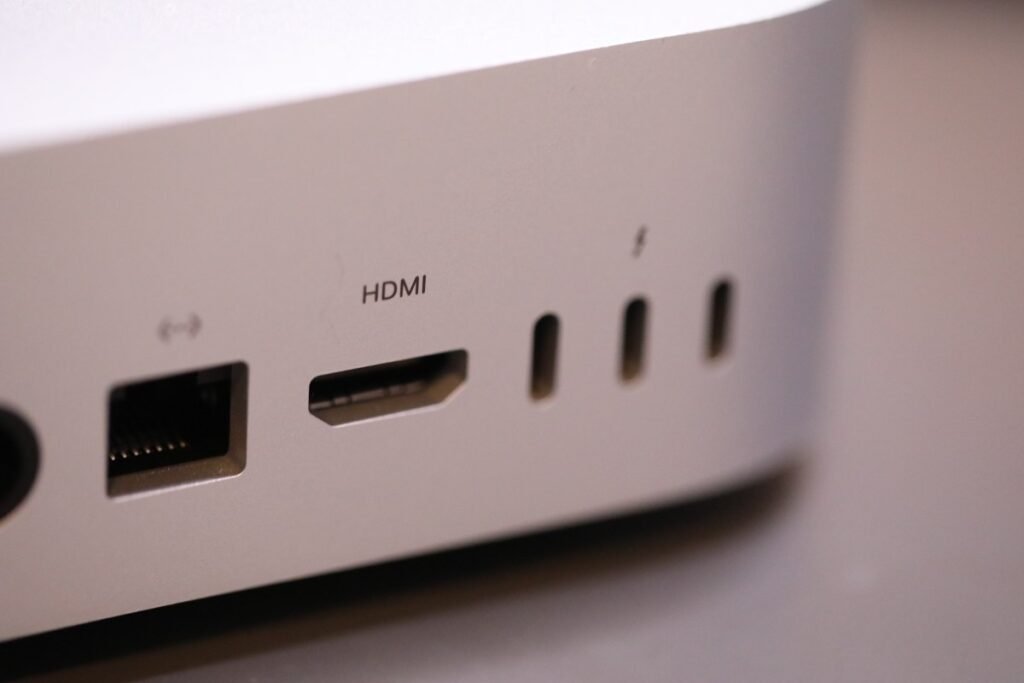
CEO Tim Cook noted that customer interest in running local AI models, such as OpenClaw, caught the company off guard. This surge in interest led to stock shortages for Mac mini and Mac Studio devices, which sold out in recent weeks. “Both of these are amazing platforms for AI and agentic tools, and the customer recognition of that is happening faster than what we had predicted,” Cook stated during the Q2 earnings call. He highlighted that the Mac mini has become the top-selling desktop in China, a region currently in an OpenClaw frenzy.
Product Launches and Supply Constraints
The MacBook Neo also played a pivotal role in the quarter’s success. Despite only being available for a few weeks following the March 4 preorders, Cook described consumer demand as “off the charts.” The launch helped Apple achieve a record number of new-to-Mac customers.
However, the rapid adoption has created supply chain challenges. Cook admitted that Apple under-estimated demand, noting that it may take “several months” to achieve a balance between supply and demand for the Mac mini and Studio models. “We’re not at the point where we’re saying this [constraint] is going to end anytime soon,” Cook explained. The company is also facing supply constraints regarding the MacBook Neo.
Enterprise and Education Adoption
Beyond individual consumers, enterprise demand is fueling the Mac’s momentum. Major companies, including Perplexity, have selected the Mac as their preferred platform for developing enterprise-grade AI assistants. Furthermore, the education sector is showing a shift; Apple reported that school systems, such as Kansas City Public Schools, are transitioning from Chromebooks to the MacBook Neo.



Leave a Reply