
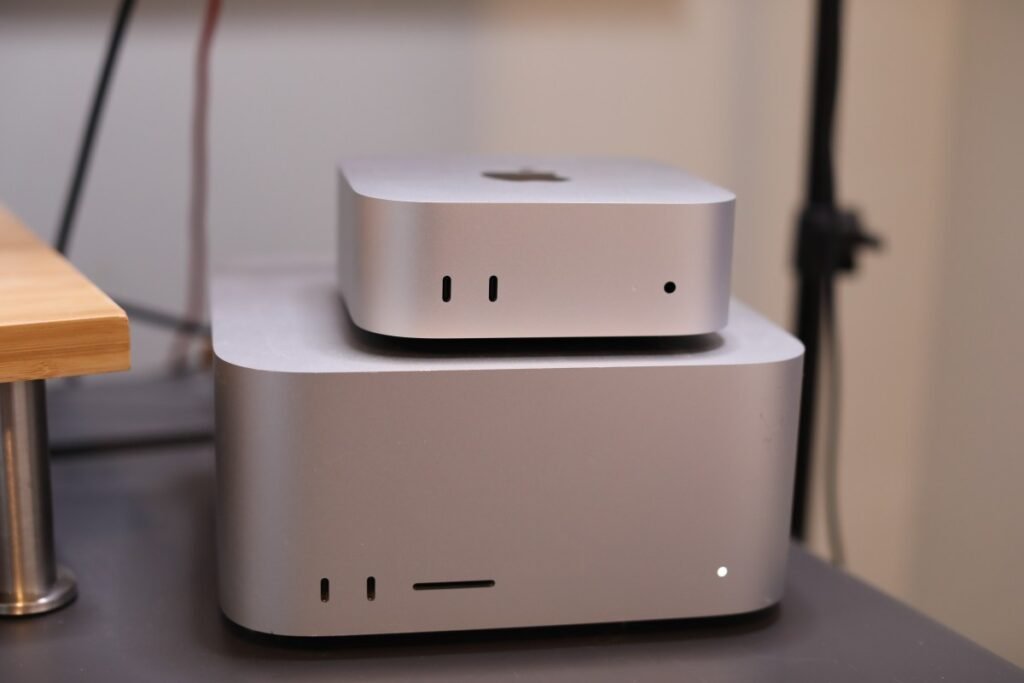



A severe supply shortage of Apple’s M4 Mac mini has turned the secondary market into a battleground, with devices flooding eBay at significantly inflated prices. The compact machine has become an essential tool for developers and enthusiasts running on-device AI models like OpenClaw, leading to unprecedented demand that has completely drained Apple’s official retail inventory.
Why the Mac Mini Has Become an AI Powerhouse
The $599 base model M4 Mac mini, equipped with 16GB of RAM and 256GB of storage, is currently unavailable on Apple’s website, with no options for delivery or store pickup. Recent reports confirm the outage has spread to other configurations, marking the first time the base model has faced such a widespread stock crisis, as noted by various outlets. Models with higher storage capacities are currently delayed until at least June.
Apple’s Mac minis are highly coveted for their power efficiency and quiet operation, making them ideal for running 24/7 localized AI workloads. Beyond the initial OpenClaw craze, users are deploying alternatives such as ZeroClaw, tools from Anthropic and OpenAI, Perplexity Computer, and other specialized local models. Their reliability compared to laptops has cemented their status as the preferred hardware for home AI experimentation.
Market Distortion and Rising Costs
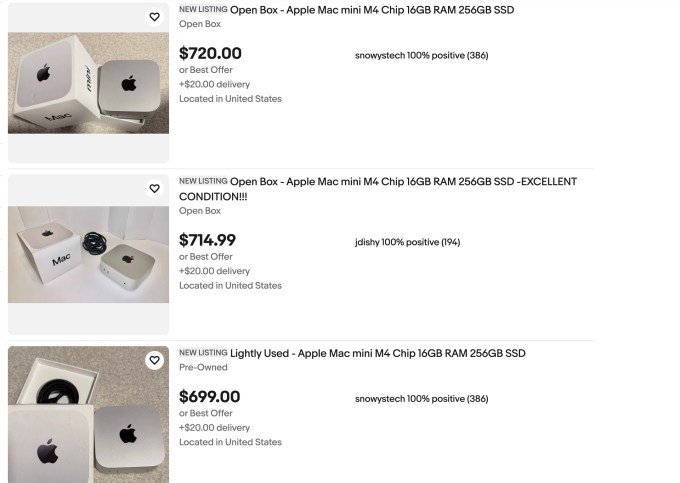
The scarcity is exacerbated by an industry-wide memory crunch and rumored plans for a hardware refresh, according to Bloomberg. With official channels dry, buyers are flocking to eBay, where prices far exceed the standard retail cost.
As of Friday morning, M4 base models were fetching between $715 and $795 for “open box” units, while “excellent” refurbished versions were listed as high as $979. Even “lightly used” units are trading for approximately $700—a premium of over $100 above the original retail price.
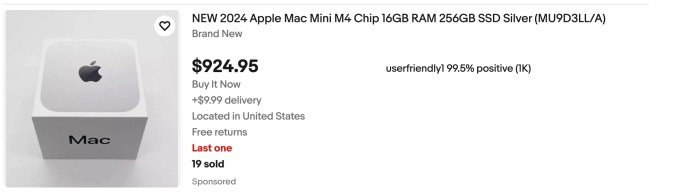
Listings for brand-new units are equally aggressive, with some sellers demanding $925 and highlighting limited availability to drive urgency.
Broader Impact on Apple’s Ecosystem
The supply chain pressure has spilled over to the Mac Studio, which is also sold out across multiple configurations. However, as Ars Technica observed, high-end MacBook Pros and the MacBook Neo remain relatively available. This discrepancy suggests the core issue is not a total systemic failure, but specifically a surge in consumer demand for the Mac mini’s unique form factor for AI tasks.



Leave a Reply