
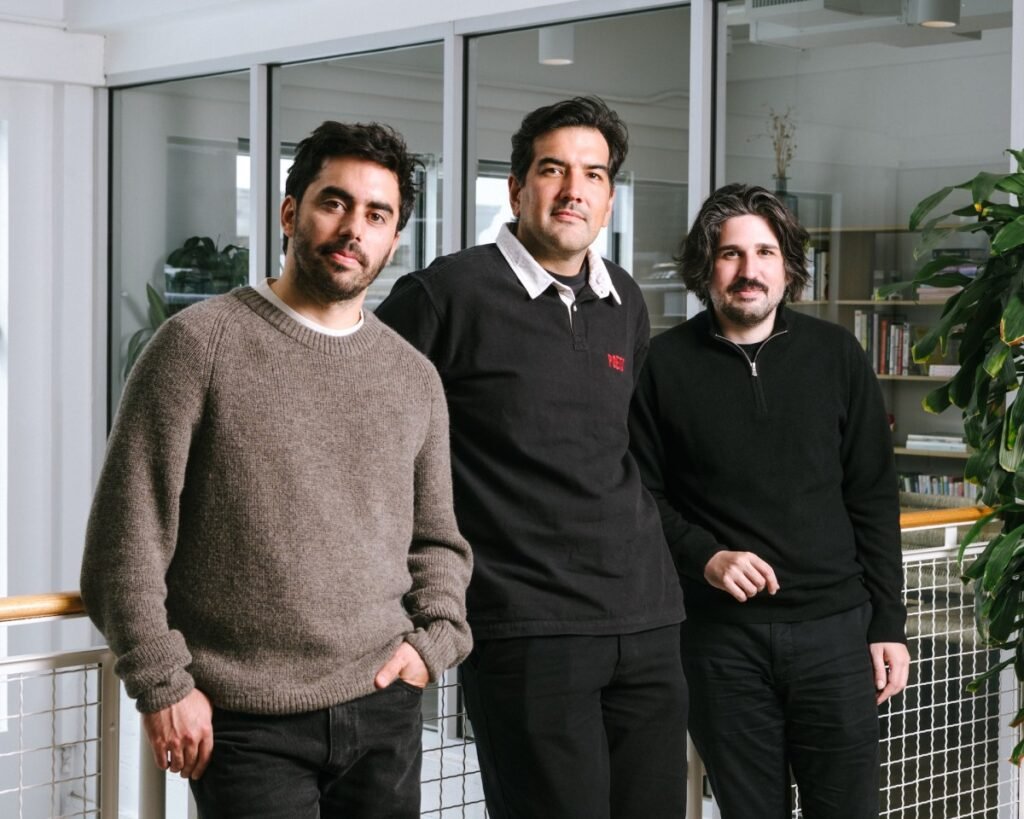



Runway, the AI video-generation startup founded by a trio of NYU arts alumni, is pivoting from cinematic tools to the development of “world models.” With a $5.3 billion valuation and $40 million in Q2 2026 recurring revenue, the company is challenging the industry’s long-standing assumption that artificial intelligence must be rooted in language, aiming instead to teach AI how the physical world functions.
Beyond the Text-Centric Era
For years, the AI sector has fixated on Large Language Models (LLMs) like ChatGPT and Claude. Runway is betting against this trend. Co-CEO Anastasis Germanidis argues that the next frontier of intelligence lies in observational data—video and world models—rather than text scraped from the internet.
“We’re basically bound by our own understanding of reality,” Germanidis said. “Language models are trained on the entire internet… But to get beyond that, we need to leverage less biased data.”
Founded in 2018, the company has already cemented its place in the media industry, with its tools powering productions like “Everything Everywhere All At Once” and securing partnerships with giants like Lionsgate and AMC Networks.
Taking the Leap into World Models
In December, Runway launched its first world model—an AI system designed to simulate environments and predict physical behaviors. This move positions the company alongside competitors like Luma, World Labs, and Google, all of which are racing to build AI that can solve complex real-world problems.
Germanidis views these models as scientific infrastructure. By training on sensory data, the goal is to create a “digital twin” of the universe. “If we can build a better scientist than human scientists, we can accelerate progress in how we understand the universe and how we solve problems,” he added.
The Moonshot
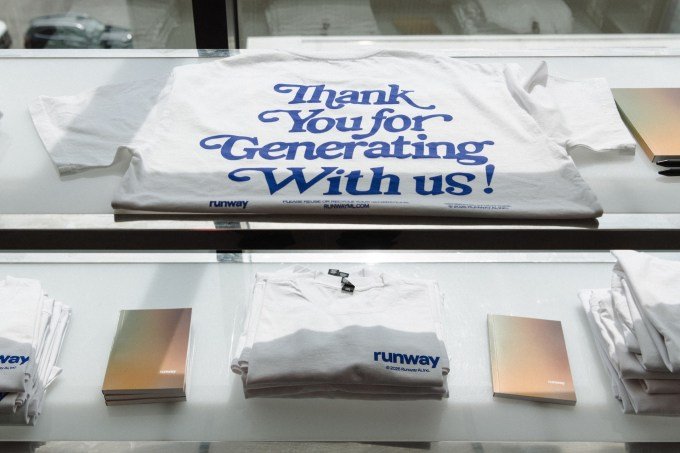
The founders—Germanidis, Cristóbal Valenzuela, and Alejandro Matamala Ortiz—met at NYU’s ITP program. Their shared background in film and art, rather than Silicon Valley pedigree, has defined their scrappy approach. They have expanded to 155 employees across global offices, including Tokyo and Tel Aviv, and have launched a robotics unit currently testing real-world deployments.
Germanidis envisions a future where models train on multiple modalities—text, video, and audio—to achieve breakthroughs in fields like anti-aging research and drug discovery.
The Resource Race
However, the path to dominance is fraught with risk. Industry experts, such as Kian Katanforoosh of Workera, question how Runway will scale without the guaranteed compute clusters available to giants like Google or OpenAI. While Runway has raised $860 million, including backing from Nvidia and AMD, it faces stiff competition from companies with significantly larger capital reserves.
Runway has secured partnerships with CoreWeave and Nvidia, but the pressure to prove that video intelligence leads to generalized reasoning remains high. Despite these challenges, the company’s leadership remains defiant against traditional industry “rules.”
“They say Silicon Valley is here and that’s where the startups are. Why? Those are just made-up rules,” Valenzuela said. “Scrub them all and start again.”

Leave a Reply