
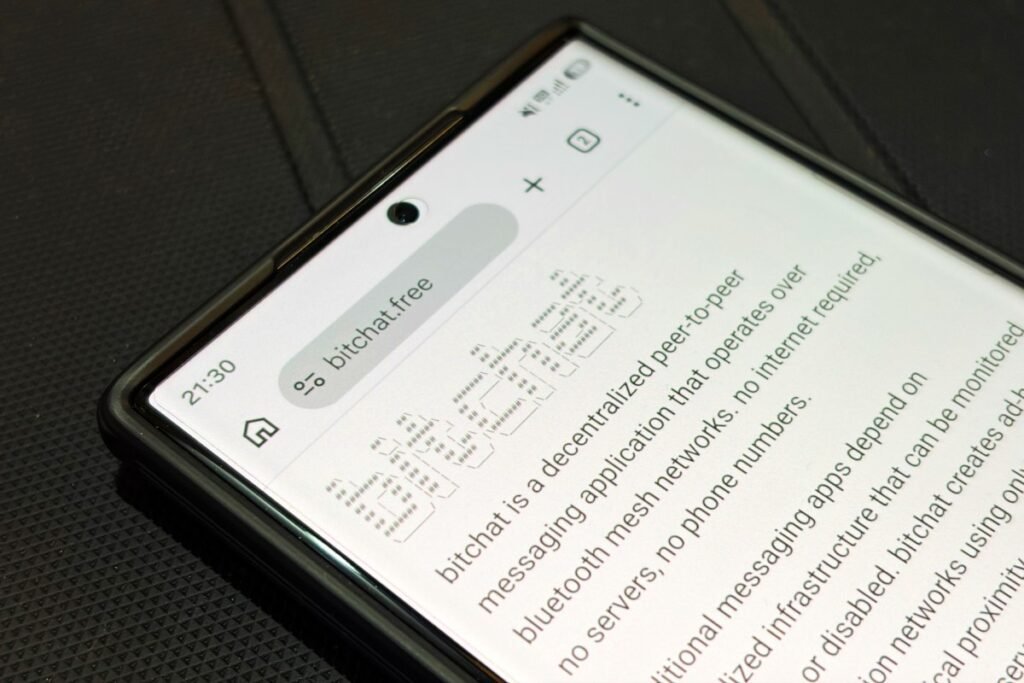



The Indian government has moved to force the removal of GitHub repositories associated with Bitchat, an offline, Bluetooth-powered messaging app backed by Jack Dorsey. This rare attempt to target open-source software based on its technical architecture has ignited a fierce legal debate regarding the limits of state control over decentralized technology.
An Unprecedented Crackdown
The conflict surfaced on Friday after Dorsey posted a notice on X, purportedly from India’s Ministry of Home Affairs. The document orders GitHub to restrict access to three Bitchat repositories within a three-hour window. The government’s justification centers on the app’s anonymous, decentralized nature, claiming it facilitates unlawful activity and undermines state-mandated internet shutdowns by preventing “lawful interception.”
This action occurs as Indian authorities tighten internet restrictions in response to weeks of student-led protests in New Delhi sparked by alleged examination paper leaks.
The demonstrations, known as the “cockroach” movement, have seen thousands of youths demand the resignation of Education Minister Dharmendra Pradhan. As authorities restrict access to public spaces, local media reported that demonstrators have increasingly relied on offline messaging tools like Bitchat and Briar to maintain communication during internet blackouts.
Challenging the Legal Basis
Legal experts argue this move marks a significant departure from standard Indian enforcement. Mishi Choudhary, founder of the digital rights advocacy group SFLC.in, noted that while the notice mimics the format of previous takedown requests, it lacks a clear legal mandate to ban software simply for its functionality.
“The legal provisions cited do not authorize authorities to seek the removal of an entire software project based on how it functions, rather than the presence of specific illegal content,” Choudhary told TechCrunch.
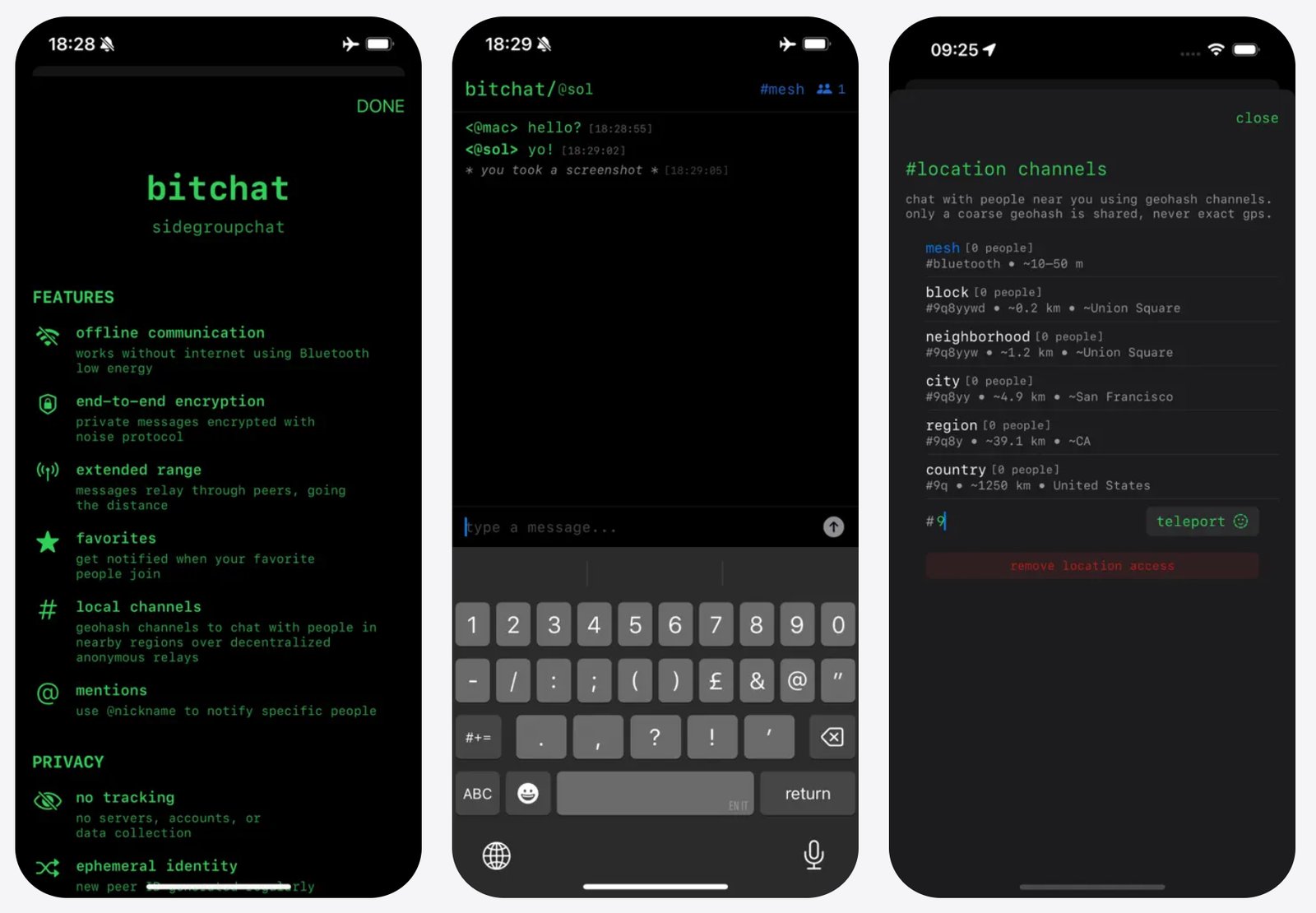
The notice, allegedly issued by the Indian Cybercrime Coordination Centre (I4C), explicitly mentions that Bitchat allows users to “circumvent lawful restrictions” and hinders “attribution and traceability.”
Data from Sensor Tower highlights the app’s sudden surge: India accounted for 85% of Bitchat’s global downloads between July 17 and July 23. Daily active users in the country peaked at over 330,000 on Thursday.
Threatening Open Source Development
The Internet Freedom Foundation (IFF) has questioned the logic of the request, pointing out that deleting a repository does not remove the app from existing devices or stop a decentralized mesh network from functioning. “What the takedown actually prevents is scrutiny of the underlying code,” the group stated.
Raman Chima, of the Association for Progressive Communications, added that the government is essentially attempting to criminalize the development of specific types of open-source products.
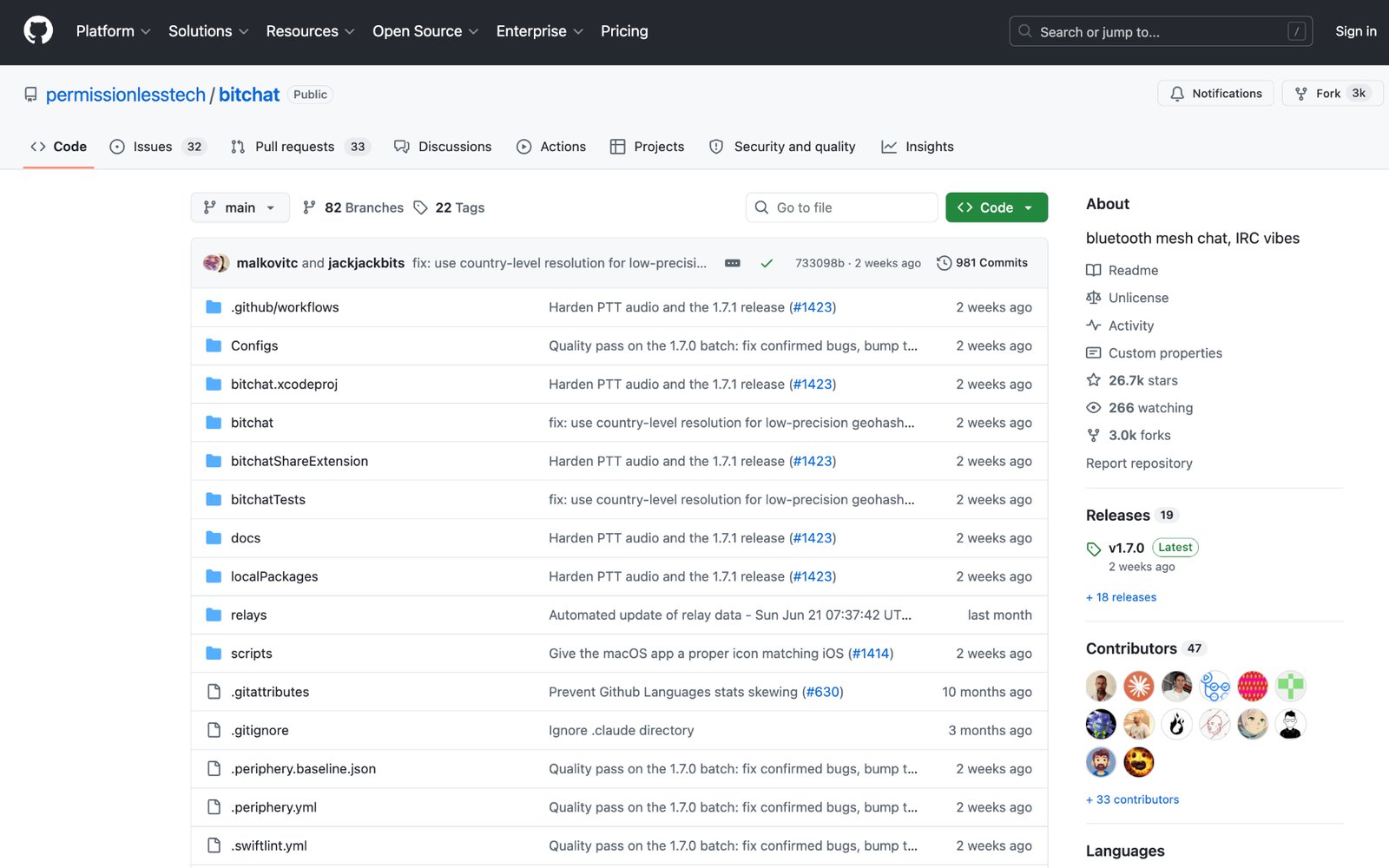
GitHub has not confirmed receipt of the order, and the repositories remained active as of Friday. The company directs inquiries to its public repository of government requests, which currently shows no Bitchat-related entries.
Access Now, a digital rights group, warned that blocking such platforms during internet restrictions creates a “communication blackout” that violates fundamental rights. “Protesters in any democracy have the right to communicate privately and coordinate peacefully,” said Namrata Maheshwari, the organization’s Asia Pacific policy manager.
“When we receive a complete government takedown request, we notify the affected account owners and give them an opportunity to appeal,” stated Rose Coogan, GitHub’s principal online safety counsel. “We share every government takedown request we take action on publicly.”
India’s Home Ministry has declined to comment on the matter.




Leave a Reply