
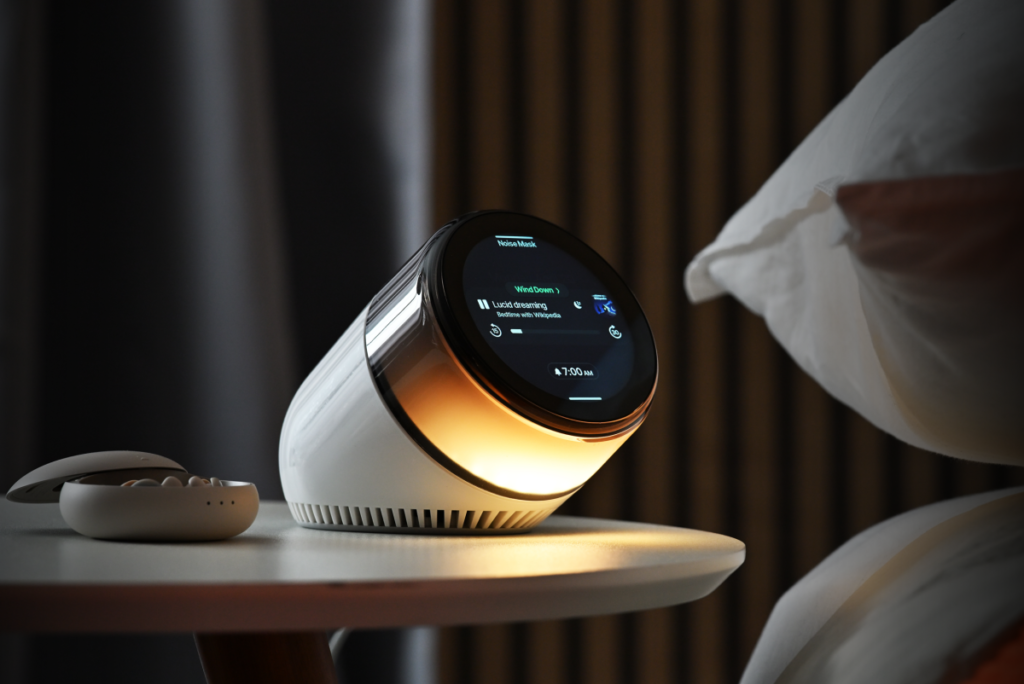



I have achieved the unthinkable: I am officially sleeping through the night without keeping my phone at my bedside. This transformation, which feels like a Herculean feat in our hyper-connected age, is entirely thanks to the Dreamie alarm clock.
If you aren’t perpetually attached to your smartphone like a modern-day cyborg, you might not understand the gravity of this change. However, for those of us who have spent over a decade falling asleep to the glow of a screen, the Dreamie offers a much-needed escape from the digital tether.
The Hidden Cost of Bedside Browsing
I have long known that bedside phone usage sabotages my sleep, which in turn degrades my mental and physical health. Despite this, the fear of waking up in the middle of the night without my “glowing rectangle” kept me trapped in a cycle of poor sleep for years. While I had established a reading habit to help wind down, I often relied on podcasts or audiobooks to quiet my noisy brain when sleep wouldn’t come.
The designers of the Dreamie clearly understand this struggle. While it functions as a high-end alarm clock, its secret weapon is surprisingly simple: it can play podcasts independently.
How the Sleep Routine Works
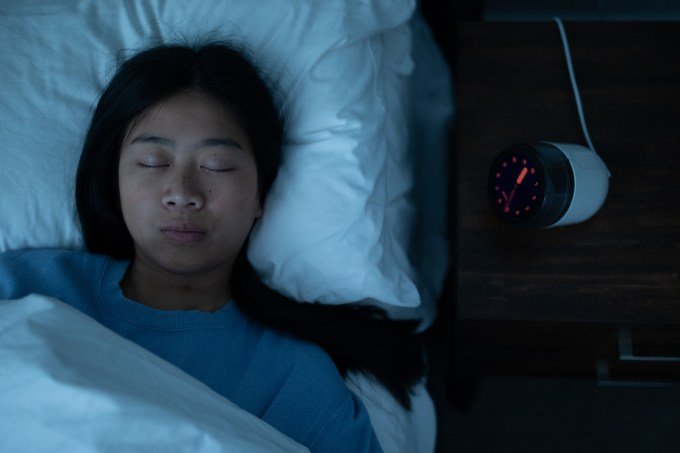
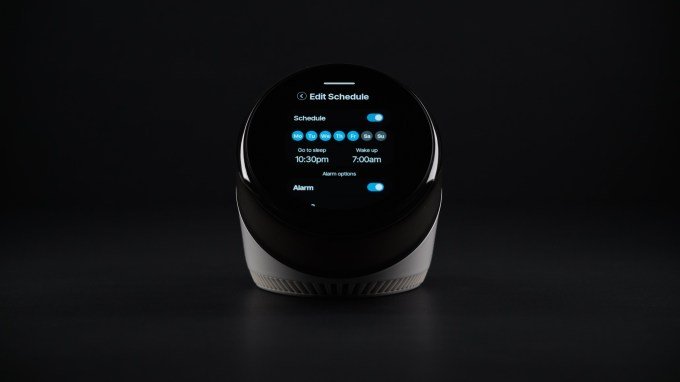
The Dreamie manages your sleep hygiene through a series of specialized modes. During the “wind down” phase, you can set a fireplace crackle sound paired with a warm, glowing orange light that mimics a real fire. Once that finishes, it transitions into a “noise mask”—I personally opt for the thunderstorm sound—which plays until the “sunrise” light gradually wakes you up.
The standout feature is the “back to sleep” mode. If you wake up at 3:00 AM, you can activate this mode to play pre-selected media, such as breathing exercises or a podcast, without having to touch your phone. You can even pair it with Bluetooth headphones to avoid disturbing your partner.
The Power of Open RSS
Because the device is Wi-Fi enabled, it leverages RSS feeds to download content. It is a refreshing nod to the open internet—the kind that RSS represents—which stands in stark contrast to the walled gardens built by companies like Spotify.
Breaking the Reflexive Scrolling Cycle
A survey of 2,000 American adults confirms that 87% of us keep our phones in the bedroom. My own experience aligns with the data: without the Dreamie, one late-night notification leads to a cascade of mindless scrolling, leaving me wide awake for hours. With this device, I can simply listen to baseball statistics and drift back off to sleep.
It also helps in the morning. By eliminating the temptation to scroll for half an hour upon waking, I can actually start my day feeling like a human being rather than a caffeine-deprived zombie.
Final Thoughts on Price and Alternatives
At $250, the Dreamie is a significant investment. However, there are no subscriptions or mandatory apps to manage, and the interface is intuitive. While I occasionally “cheated” to listen to specific audiobooks, the device effectively kept me off my phone for the vast majority of my nightly routine.
I also tested the Brick, a $59 tool that blocks distracting apps on your phone. While it is more affordable and offers similar benefits, the Dreamie provides a distinct psychological advantage: it allows you to leave your phone in another room entirely. After all, do you really want your phone to be the last thing you see before you close your eyes?




Leave a Reply