


The smart glasses industry has long been a tortured dream of Silicon Valley. The premise is appealing enough: What if, to enjoy the benefits of mobile computing, people didn’t have to stare at their phones all day long and could, instead, simply wear a lightweight computing device on their face? Science-fiction fans—a demographic that is strong in the tech industry—can see this vision perfectly.
A Financial Black Hole?
However, the industry has—for much of the last decade—resembled a financial black hole into which gargantuan investments have been sunk and from which little to no profit has ever emerged.
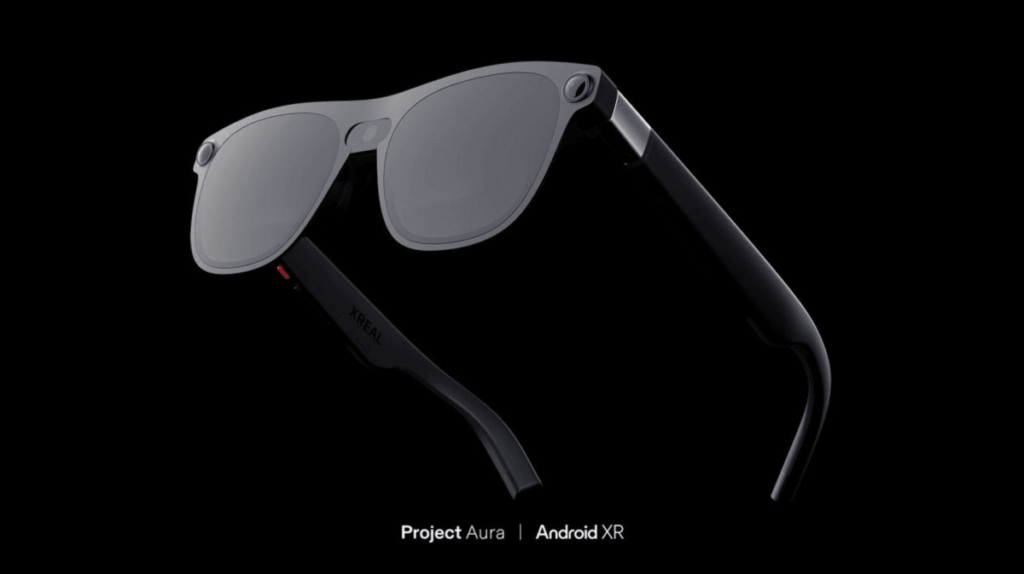
“Everybody’s losing money,” said Chi Xu, the founder and CEO of the smart glasses company Xreal, a longtime Google partner. I met Xu at Google’s I/O conference in Mountain View last week, where he was promoting Xreal’s Project Aura. It is the company’s latest effort to create a set of functional XR glasses that people actually want to use. “That’s because it’s very hard, what we’re doing,” he added.
Turning the Corner on Design
For years, the industry’s primary obstacles seemed obvious: bulky, uncomfortable, socially awkward hardware paired with software of negligible value. Now, however, industry insiders—including Xu—believe the business has reached a critical inflection point.
This shift is partly driven by Meta, whose 2023 partnership with Ray-Ban launched one of the first lines of models that has actually managed to sell a significant number of units. It is worth noting, however, that the division responsible for the glasses, Reality Labs, still operates at a massive loss.
As form factors shrink and software matures, Xu believes Xreal can finally lead the space. “You need all the key pieces ready—you need the hardware ready, the operating system needs to be ready, and then you need a great user interface,” Xu said.
The Aura Experience: Power and Portability
Xreal’s newest model, Aura, features wired smart glasses with embedded OLED displays, allowing users to view high-resolution content directly within the frames. The device remains tethered to a “puck”—a phone-sized mini-computer that handles the heavy lifting while remaining pocketable.
In exchange for the tether, the user gains access to a variety of fun experiences, including an immersive Google Maps app, VR YouTube videos, and a “painting app” that uses hand tracking to create holographic imagery visible only to the wearer. There are also reportedly games and basic web surfing capabilities.
“Whether you are following a floating recipe while cooking, setting up a private workspace at a coffee shop or on a flight, or watching a movie on a virtual big screen at home, the experience is seamless,” the company promises.
Professional Utility and Future Outlook
Xu envisions the device serving more than just the casual consumer; he sees a clear path for professional use. “It’s not just about watching the NBA game in a hologram type of format; you could also go to a coffee shop and do some work,” he noted.
Currently, the glasses are restricted to developers, with a commercial launch slated for later this year. Xreal is also reportedly preparing for an IPO expected before the end of 2026, though Xu remained tight-lipped on the details.
In the meantime, the company is focused on its path to profitability. By increasing gross margins and reducing marketing and sales costs, Xu is optimistic about the company’s financial trajectory. “Next year is the year when we could actually break even,” he said.



Leave a Reply