
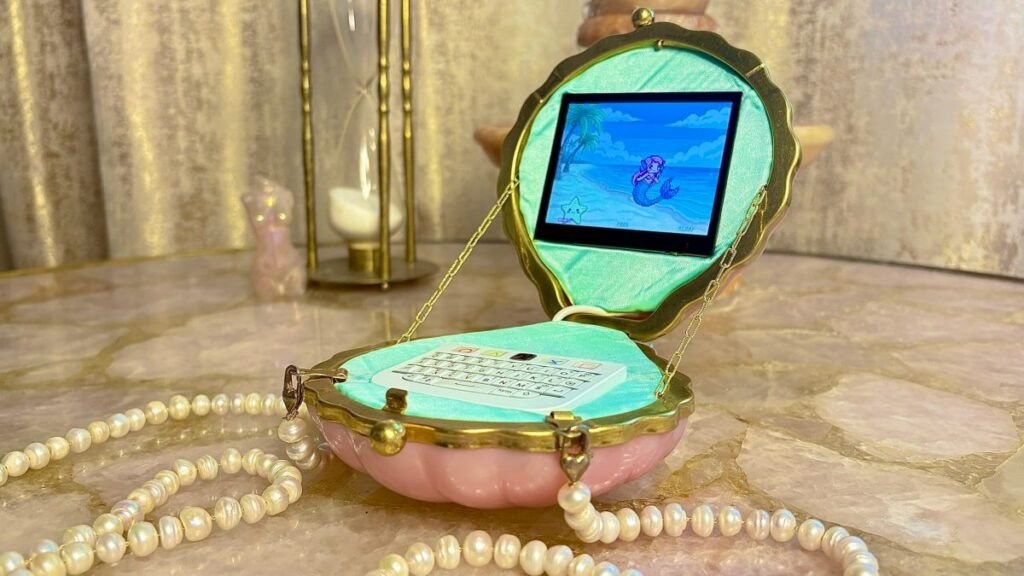


A new wave of creators is reclaiming technology by building “cyberdecks”—customized, hyper-feminine DIY computers—that challenge the sterile aesthetic of Silicon Valley. From mermaid-purse PCs to crochet-integrated hardware, these devices are turning the tide against the restrictive, “black-box” nature of modern mass-market electronics, with creators like CC leading the charge on social media.
Beyond the Black Box: Tech With Personality
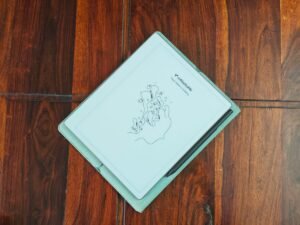
CC, who documents her builds on Bimbo Tech, recently showcased a seashell cyberdeck that functions as a Tamagotchi, e-reader, and local AI node. Despite having no formal background in software engineering, she is teaching a growing community how to assemble these small, unconventional computers.
While the concept of the cyberdeck dates back to William Gibson’s 1984 novel Neuromancer, the rise of affordable, credit-card-sized computers like the Raspberry Pi has turned this sci-fi trope into a tangible maker movement. For many, the appeal lies in the lack of choice in the current market. “I have a running joke that there’s this underlying misogyny in tech—whenever they release a pro model, it’s always black or silver,” CC notes. “It’s never going to come in pink.”
Artistic Engineering and Radical Ownership
The movement has birthed a variety of creative designs, including a cyberdeck made of wood and moss, a desert-inspired MP3 player, and even a Barbie dollhouse computer.
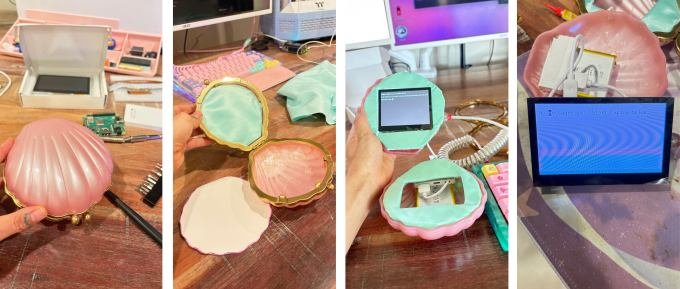
As creator Sarahbelle Kim puts it, “I don’t want Meta AI glasses. I want to pirate books in a tiny embellished shell.” This trend represents a pushback against the “warranty-voiding” culture of modern devices, where users are discouraged from opening or modifying the hardware they ostensibly own.
The Historical Link: Fiber Arts and Computing
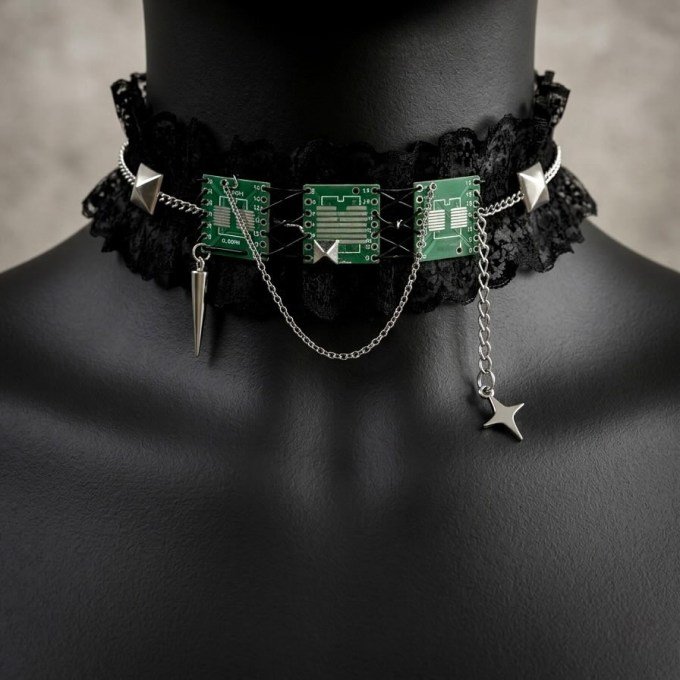
Maro Vardanyan, a blockchain developer and artist, has taken the trend further by blending fiber art with tech. By integrating Raspberry Pi units into macrame and crochet, she highlights the historical, often overlooked role of women in early computing—specifically the hand-woven core rope memory used by NASA for the Apollo Guidance Computer.
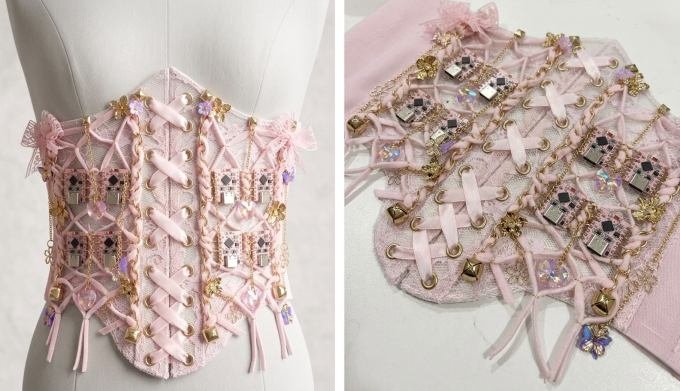
“The original processor was handwoven by seamstresses,” Vardanyan says. “I feel like the hand weaving and fashion-meets-technology is so full circle.”
Resistance Through Creativity
While some online critics dismiss these builds as “performative” or inefficient, the creators view them as a deliberate rejection of the tech industry’s obsession with optimization. By embracing “hacky,” DIY methods, they are forging a more personal connection to their tools.
For Vardanyan, the most rewarding aspect is the shift in demographics. “Ten years ago, I would walk into a conference, there would be three girls,” she says. “I can’t even tell you how amazing it is seeing so many girls all over my social media… being into hardware, being into software, and then educating each other.”



Leave a Reply