


When Lydia Peabody first saw a friend wielding a flip phone at a party last year, her reaction was pure disbelief. Today, that skepticism has transformed into a mission: Peabody is now the founding CMO of Dumb Co, a startup born from the Month Offline movement, a community challenge that encourages people to swap their smartphones for basic cellular devices.
The Rise of the “Dumb” Alternative
Peabody, who left her career as a therapist to lead the company, credits the lifestyle shift for a significant reduction in her anxiety. “I didn’t even know that this is what I needed,” she says. “Spending that much time on my screen after work was making me feel so yucky.”
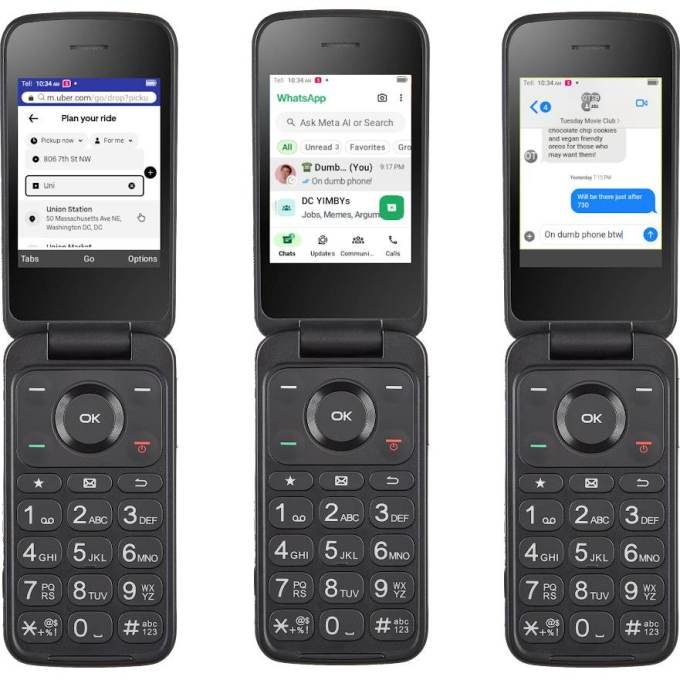
Dumb Co’s approach isn’t about total isolation. The company sells flip phones designed to sync with your existing smartphone, offering a bridge between modern necessity and the “frictionless” digital exhaustion that many in their 20s and 30s are fighting to escape. By utilizing a $20 TCL flip phone base, the team installs custom software that allows access to essential apps like WhatsApp, Spotify, and Uber, and even supports iMessage via third-party integration.
Redefining “Need” in a Connected World
Afreka Ebanks, Dumb Co’s communications director, explains the goal: “We are trying to make something where you can leave your smartphone at home and literally just live your life.” For many, the device serves as a conversation starter, breaking the cycle of constant downward-gazing at screens.
Testing the device revealed a paradoxical truth: while the clunkiness of T9 texting is a clear downgrade from a modern iPhone, the inability to mindlessly scroll through social media or check emails is liberating. When pushed to leave the iPhone behind entirely, the “need” for constant connectivity often proves to be an illusion. As Peabody points out, instead of relying on an app for transit times, one can simply ask a neighbor, fostering real-world human connection.
Breaking the Digital Addiction
The relationship between users and their smartphones often mirrors substance dependence, characterized by anxiety and a lack of focus. Peabody compares the feeling of breaking away from the smartphone to kicking a nicotine habit. The goal is not necessarily to banish technology forever, but to regain agency over how it is used.
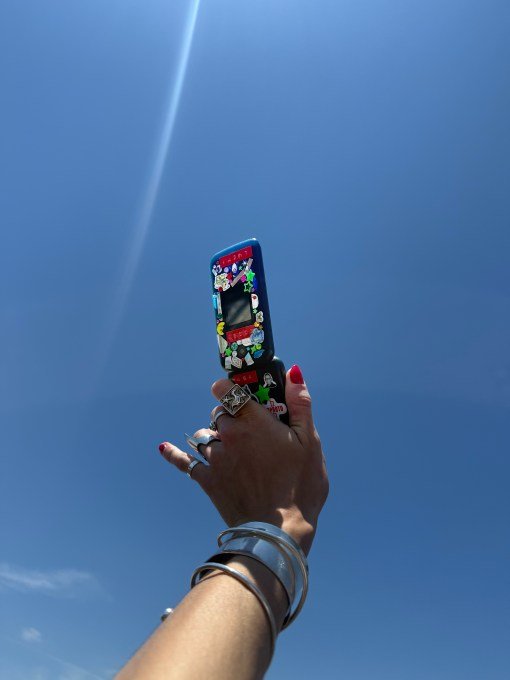
Ultimately, the Dumb Phone acts as a tool for mindfulness. By providing a “safe” way to disconnect, it allows users to experience the world without the constant ping of notifications, proving that sometimes, less truly is more.




Leave a Reply