




I finally gave in to the trend of wearable health trackers, but after 10 days with the RingConn 3, I sent it back. While the device is aesthetically pleasing and avoids the “tech-heavy” look of smartwatches, it failed to provide the actionable health insights I expected, ultimately leading me to exercise my right to a refund.
A Stylish Alternative to Bulky Wearables
For a long time, I avoided health trackers because most options—like the woven Whoop bracelet or smartwatches with glowing screens—simply don’t fit my style. However, the recent market shift toward slimmer hardware from companies like RingConn and Oura promised a more discreet experience. I chose the RingConn 3 over the Oura Ring 5 primarily due to the price—starting at $349—and the lack of a mandatory monthly subscription fee, which feels like a blatant cash grab on Oura’s $399 model.
Design and Usability
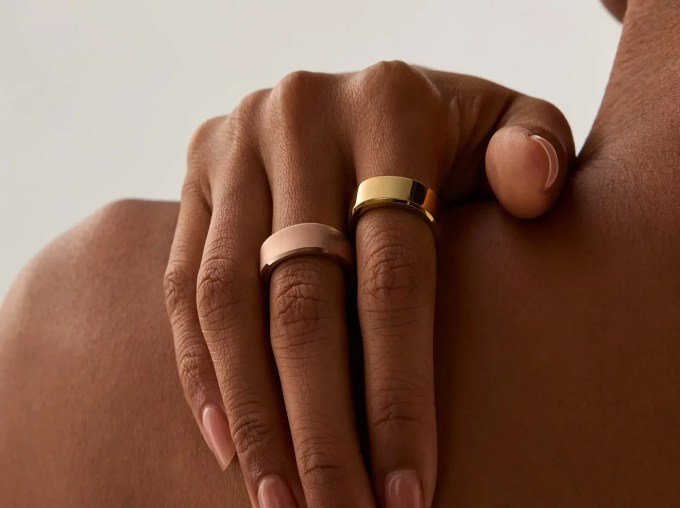
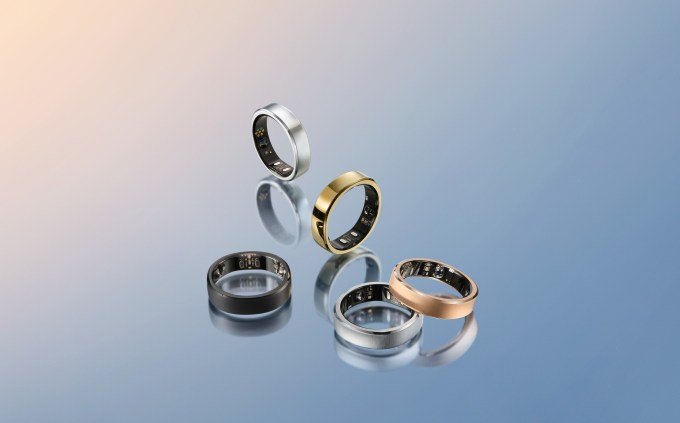
The rose gold finish of the RingConn 3 is undeniably attractive. At 2.3 mm thick, it is slightly bulkier than a traditional ring but remains comfortable. It pairs well with stackable rings, making it blend in seamlessly. I highly recommend using their sizing kit before purchasing, as I discovered I needed a larger size than my usual fit.
The build quality feels robust, and the brushed metal finish appears resistant to scratches. While I didn’t test the full 14-day battery life, I experienced no performance issues during my time with it. The growing popularity of these screenless wearables—with spending on such devices rising 88% year-over-year—proves that many users, like me, prefer passive data tracking over constant notifications.
The Reality of Health Tracking
Despite the sleek design, the actual utility of the RingConn 3 left much to be desired. Initially, the app data was intriguing, confirming things I already knew: I sleep poorly when I drink and better when I maintain a consistent schedule. However, the device struggled with accuracy.
The ring failed to auto-detect gym-based workouts, yet it flagged minor movements—like walking to get the mail—as exercise. The breaking point was the headache detection feature. I suffer from severe migraines and hoped this would be a game-changer. When I experienced my worst migraine attack, the app insisted I was in “top form.” That lack of reliability made the $349 price tag impossible to justify, leading me to return the device before my trial period ended.




Leave a Reply