
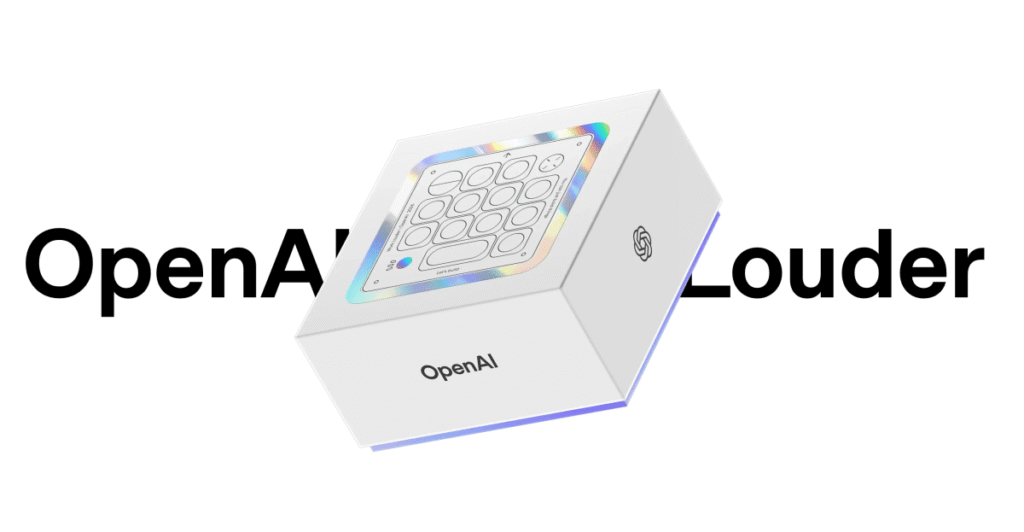



OpenAI has officially ventured into the hardware sector with the launch of a $230 illuminated keyboard, specifically engineered to integrate with its AI coding assistant, Codex. The device, dubbed the Codex Micro, is the result of a partnership with boutique keyboard manufacturer Work Louder.
A Command Center for AI Agents
Marketed as a sophisticated interface for ChatGPT users, the Codex Micro is designed to streamline the management of AI coding agents—the semi-autonomous bots capable of writing and executing complex code with minimal human intervention. The device serves as a dedicated “command center,” allowing users to bypass traditional desktop or mobile apps for their AI-driven workflows.
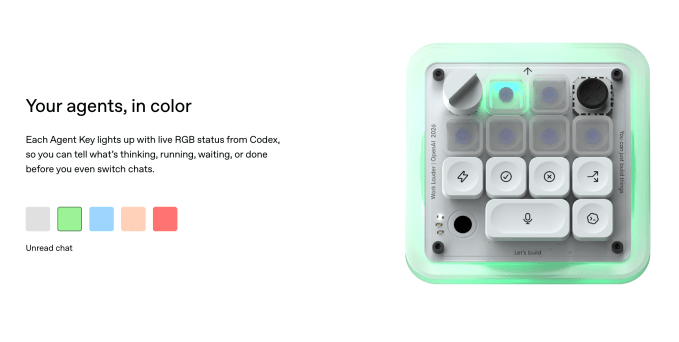
The keyboard features specialized “Agent Keys” that provide visual feedback on agent status, alongside customizable Command Keys for executing frequent Codex actions. It also includes a built-in joystick for workflow navigation and a tactile dial that allows users to adjust “agent reasoning levels,” effectively controlling the computing power and time allocated to specific tasks. The device is fully configurable through the ChatGPT desktop application.
A Limited-Run Strategy
OpenAI has clarified that the Micro is a limited-run collaboration rather than a mass-market consumer product. It serves primarily as a novelty item, signaling the company’s initial foray into the hardware space.
However, the company’s hardware ambitions appear to extend well beyond niche peripherals. Reports indicate that OpenAI is developing a portable, screenless smart speaker integrated with ChatGPT. This device is rumored to incorporate autonomous mechanical elements, though details remain scarce as the product is still in early development.
Legal Tensions With Apple
The development of OpenAI’s new hardware portfolio has drawn significant scrutiny, particularly due to its connection to former Apple engineers. Apple recently initiated a lawsuit against OpenAI, alleging that the company’s leadership orchestrated a strategy to misappropriate confidential trade secrets.
Apple’s legal complaint specifically contends that OpenAI utilized stolen proprietary information to advance its own hardware development efforts. OpenAI has formally denied these allegations, maintaining that it has not engaged in any wrongdoing as it continues to expand its technological footprint.




Leave a Reply